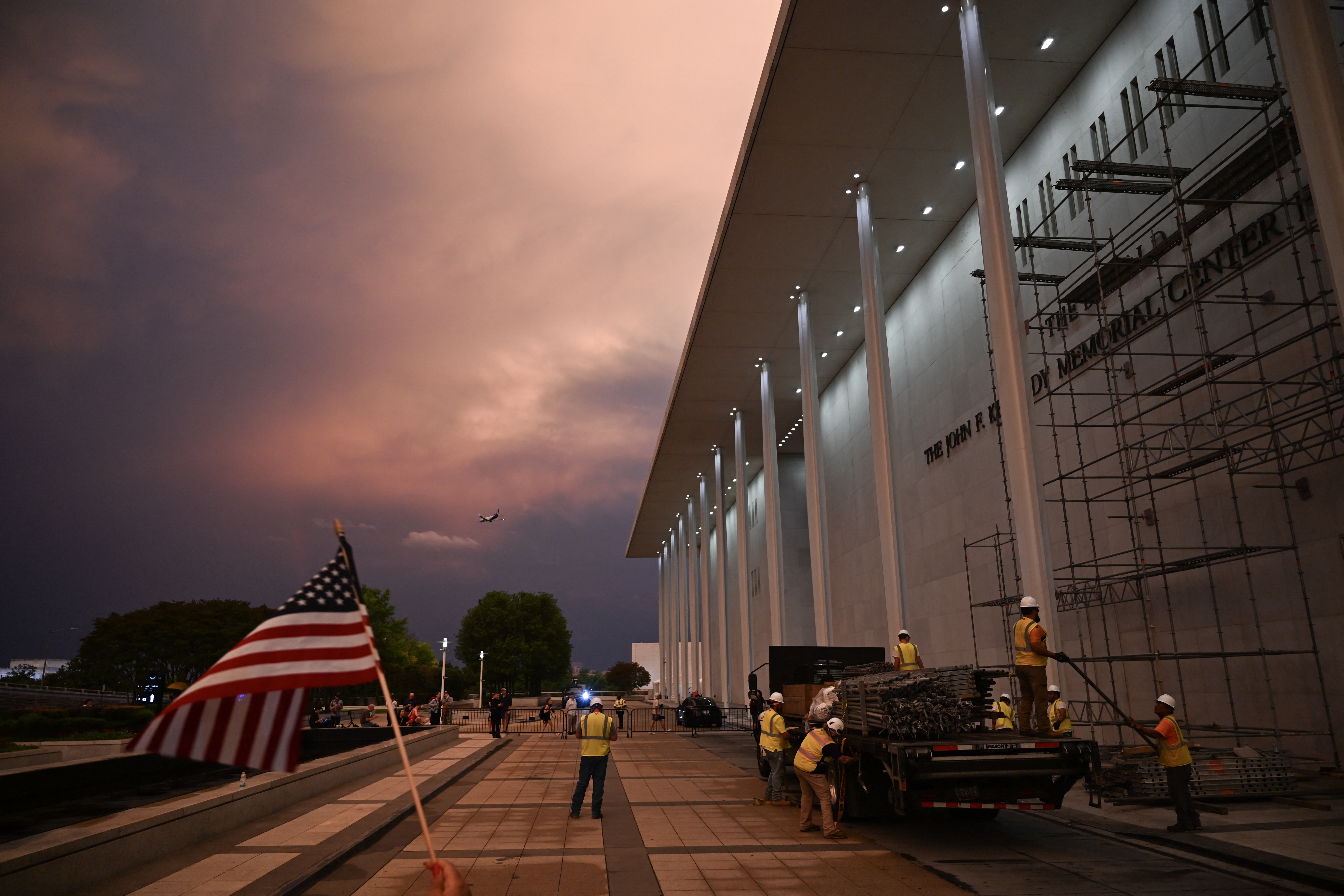
Washington D.C.'s revered John F. Kennedy Center for the Performing Arts is facing an existential crisis, with officials warning of a potential closure as early as this week, threatening its future amid a crippling financial deficit and a politically charged dispute over naming rights.
The institution’s board is scheduled to convene this Tuesday for a critical vote that could see the main building shut down for immediate renovations. This drastic measure comes as the centre grapples with what senior figures have described as a "certain fiscal collapse within weeks" if a resolution isn't found.
Deepening Financial Abyss
The financial troubles at the Kennedy Center, a beacon of American cultural achievement, have been compounding for months, exacerbated by a severe downturn in philanthropic donations and ticket sales. The ongoing legal challenge, however, has significantly complicated efforts to secure vital funding and implement long-term recovery strategies.
Sources close to the board, as reported by US political news outlet The Hill, indicate that without an immediate injection of funds or a clear path forward, the centre's operational capacity will be severely compromised. The facility, which hosts hundreds of performances annually and supports numerous educational programs, requires substantial capital for upkeep, staffing, and staging world-class productions. The projected deficit runs into tens of millions of Australian dollars, placing an unsustainable burden on its reserves.
The Trump Naming Controversy
At the heart of the current turmoil is a protracted legal and political struggle regarding renewed attempts to affix former President Donald Trump’s name to the prestigious institution. This highly contentious proposal has triggered widespread outrage within the arts community and among Democratic lawmakers, who view it as a politicisation of a non-partisan cultural landmark.
The legal challenge is reportedly draining significant resources, both financially and in terms of management attention, away from the urgent task of shoring up the centre’s finances. Opponents argue that the move would fundamentally alter the centre’s identity, named in honour of President Kennedy, and alienate a significant portion of its audience and donor base. Proponents, conversely, contend that a former President, irrespective of political affiliation, deserves recognition in such a prominent national institution, a sentiment that has only deepened the partisan divide.
Renovations as a Last Resort
Closing the main building for renovations is being considered as a drastic, albeit potentially necessary, short-term solution to mitigate the immediate financial haemorrhage. While it would halt performances and generate further negative publicity, it could allow the centre to temporarily reduce operating costs and regroup.
However, this strategy is not without its own significant risks. A prolonged closure could alienate patrons, artists, and staff, making it even harder to rebuild public trust and financial stability once renovations are complete. There's also concern that such a move might be interpreted as an admission of defeat rather than a strategic pause, further impacting donor confidence.
Broader Implications for US Arts Funding
This crisis at the Kennedy Center serves as a stark reminder of the fragile state of arts funding in the United States, particularly for institutions reliant on a mix of government appropriations, private philanthropy, and earned income. The incident highlights the vulnerability of cultural behemoths to political interference and economic fluctuations.
For Australian readers, the situation underscores the importance of robust, stable funding models for cultural institutions, drawing parallels with local challenges faced by organisations like the Sydney Opera House or the National Gallery of Australia, which also navigate complex financial landscapes. The outcome of Tuesday's vote will not only determine the immediate future of one of America's most iconic cultural venues but could also set a precedent for how politically charged disputes impact the sustainability of vital arts organisations worldwide.