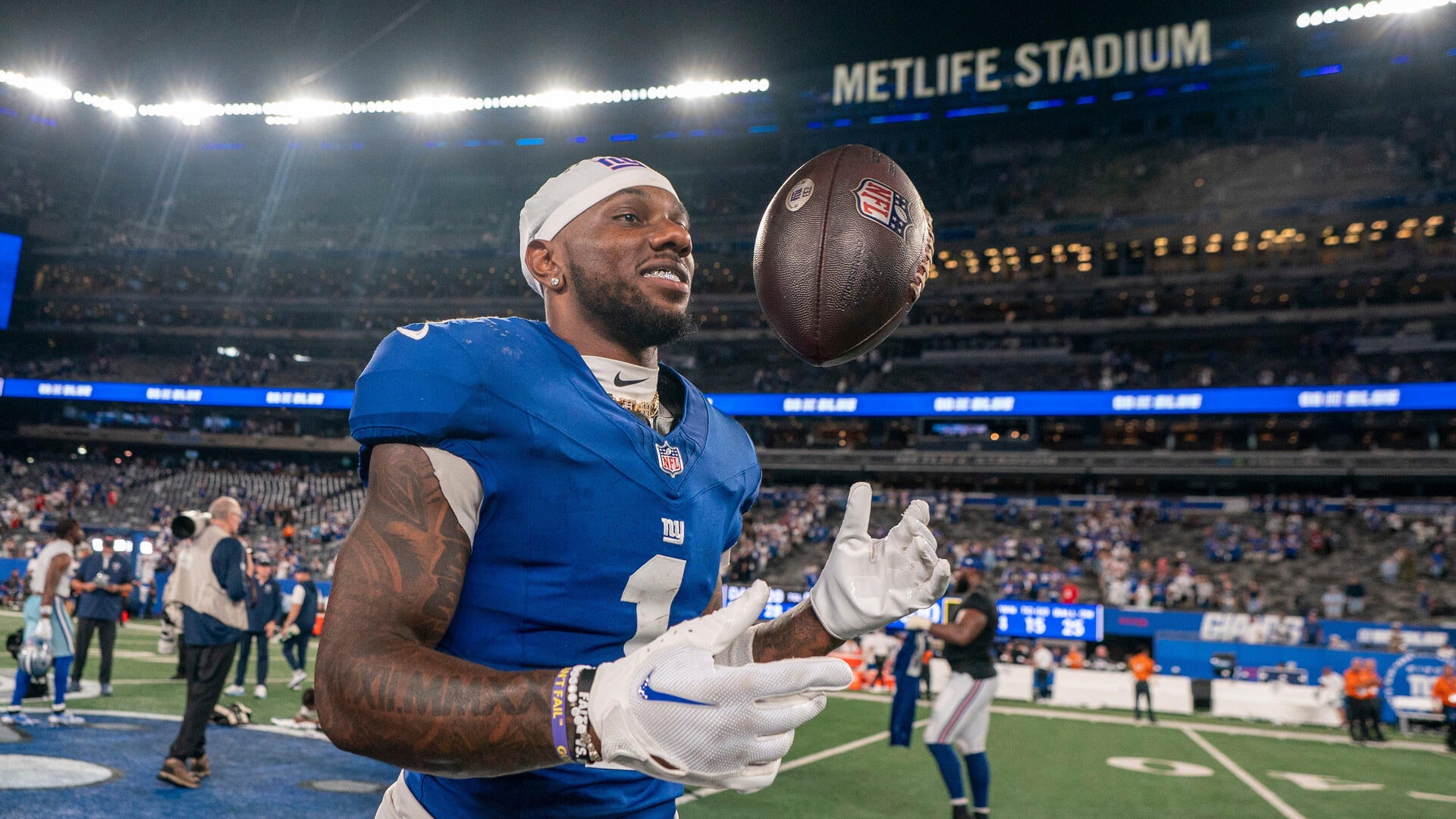
NEW YORK – In a league often defined by brutal physicality and rigid conditioning, New York Giants head coach John Harbaugh has reportedly veered from the conventional playbook, opting for a distinctly psychological approach to prepare his star rookie wide receiver, Malik Nabers, for his much-anticipated NFL debut.
Nabers, a highly touted prospect, has been battling back from a knee injury that sidelined him during crucial pre-season preparations. Rather than pushing the young gun through gruelling physical drills, Harbaugh appears to have focused on fortifying Nabers' mental game, ensuring he's not just physically ready, but psychologically primed for the pressures of professional football. This innovative strategy has been highlighted by US broadcaster CBS Sports NY, sparking considerable discussion across the American sporting landscape.
A Mental Masterclass, Not Just Touchdowns
For many athletes recovering from injury, the return to play is fraught with mental hurdles – fear of re-injury, loss of confidence, or the pressure to perform immediately. Harbaugh, a seasoned coach known for his strategic acumen, evidently recognised this, choosing to address Nabers' psychological state as meticulously as his physical rehabilitation. Sources close to the Giants organisation suggest that conversations between coach and player went beyond mere tactical briefings, delving into the mental fortitude required to excel under the immense scrutiny of the NFL.
CBS Sports NY reported that Harbaugh's method involved a series of unconventional discussions and scenario planning sessions, designed to build Nabers' confidence and ensure he wasn't dwelling on past injuries. This 'mind over matter' approach is a significant departure from the typical NFL injury protocol, which often prioritises physical milestones above all else.
Beyond the Sidelines: Building Belief
The details of Harbaugh's exact methods remain largely under wraps, but the essence appears to be about fostering an environment where Nabers felt empowered and mentally unburdened. It wasn't about telling him to forget the injury, but rather to process it and move forward with unwavering self-belief. This focus on the internal game is a testament to Harbaugh's understanding of elite athletic psychology.
Industry insiders note that a top-tier NFL rookie's contract can easily exceed $20 million (approximately $30.5 million AUD) over four years, placing immense pressure on them to perform from day one. Navigating this pressure, especially when returning from injury, demands more than just a healthy knee. It requires a robust mental framework, something Harbaugh seems intent on building in his young star.
The Psychology of the Game
This isn't the first time coaching staff have delved into the psychological aspects of player performance, but Harbaugh's direct, hands-on involvement with Nabers' mental recovery is noteworthy. In a sport where inches and split-second decisions dictate outcomes, psychological readiness can be as critical, if not more so, than physical prowess. For a wide receiver who relies on explosive movements and precise route-running, even a flicker of hesitation due to mental doubt can be catastrophic.
By taking this unorthodox path, Harbaugh is betting that a mentally unshackled Nabers will be a more effective, and crucially, more durable player in the long run. The early signs from training camps, according to those observing the Giants, suggest Nabers is indeed moving with confidence, seemingly unburdened by his recent setback.
Week One's True Test
The real litmus test, however, will come in Week 1, when Nabers takes the field for his official NFL debut. All eyes will be on whether Harbaugh's investment in his star receiver's mental resilience pays dividends. If Nabers performs to expectations, it could signal a shift in how NFL teams approach injury rehabilitation, placing greater emphasis on the often-overlooked psychological recovery process. For the Giants, a successful return for Nabers could be the spark needed for a strong start to their campaign.