
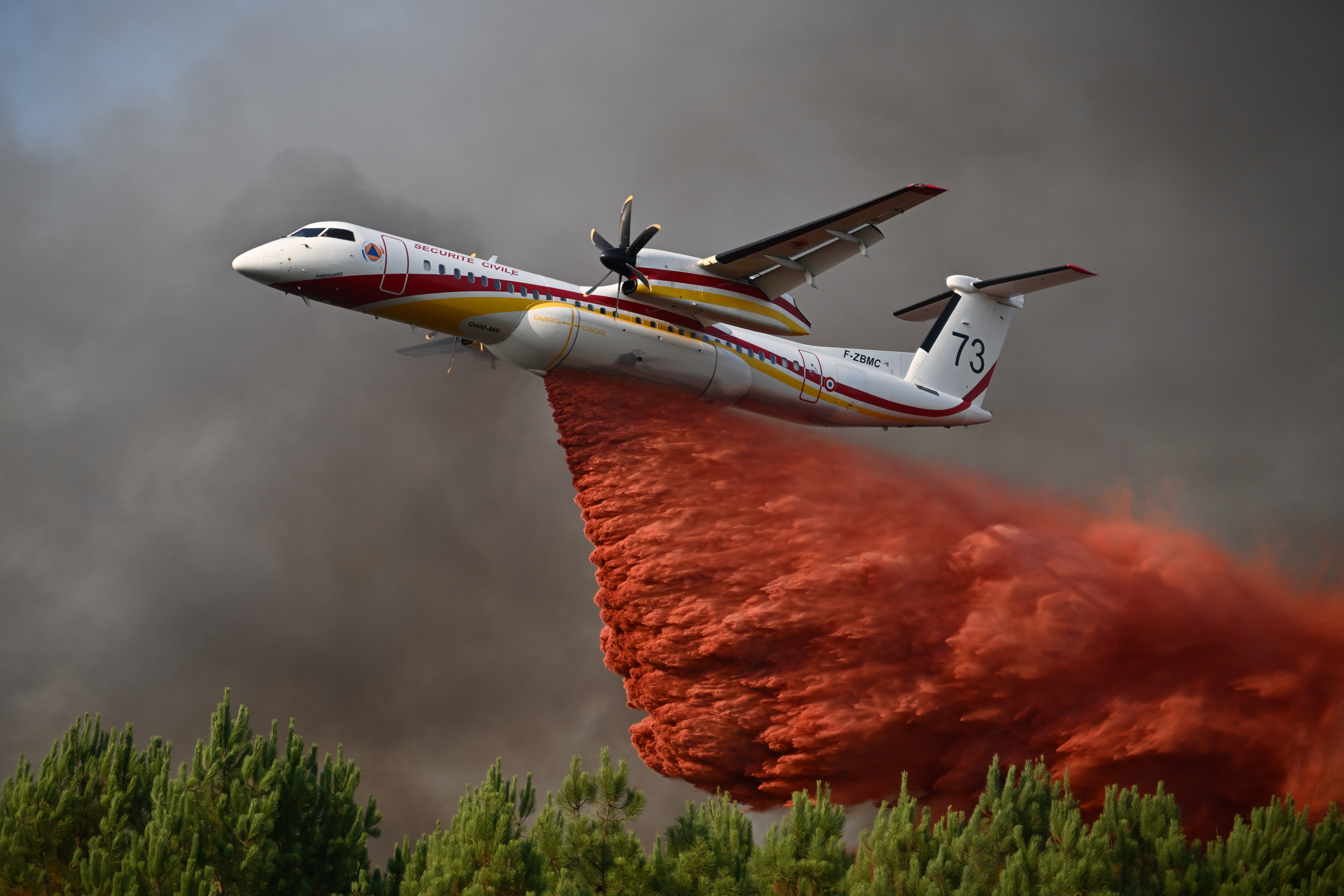
BORDEAUX, France: A collective sigh of relief is being breathed across France’s southwestern Gironde region, as authorities confirm that the relentless wildfires, which have ravaged the landscape for over a week, have finally reached a state of “stabilisation.” The encouraging news means that thousands of relieved residents, evacuated from their properties as the blazes threatened, are now permitted to return home.
The widespread fires are just one confronting facet of a severe heatwave that has baked much of Europe, shattering temperature records and pushing emergency services to their limits. The impact has been particularly acute in countries like France, Spain, and Portugal, where soaring mercury and tinder-dry conditions have created a perfect storm for unprecedented bushfire activity.
Bordeaux Breathes Easier
For communities surrounding Bordeaux, the past week has been an anxious ordeal. Flames consumed vast tracts of pine forest, sending plumes of smoke across the region and forcing swift, large-scale evacuations. Local authorities, in conjunction with fire services, have been working around the clock to contain the infernos, with international assistance also contributing to the monumental effort. NPR World reported that French firefighters, often battling infernos in extremely challenging conditions, have described the situation as having 'stabilized' – a critical turning point after days of uncertainty.
The financial cost of these fires is expected to run into the tens of millions of Australian dollars, with damage to infrastructure, agriculture, and the environment being assessed. While the immediate danger has receded, the long-term ecological and economic recovery for these affected regions will be a protracted and costly process. The French government has indicated it will provide support to those impacted, though the full extent of the devastation is still being calculated.
Europe Under Siege from Heat
The French wildfires are emblematic of a broader crisis unfolding across the European continent. Record-breaking temperatures have gripped numerous nations, leading to widespread health warnings, disruptions to daily life, and increased pressure on energy grids. Climate scientists have consistently linked such extreme weather events to global warming, warning that these occurrences are likely to become more frequent and intense in the coming years.
Spain and Portugal, in particular, have also been battling their own significant bushfire outbreaks, stretching resources thin and leading to further evacuations. The sheer scale of the heatwave has sparked renewed debate about climate change mitigation strategies and the need for greater preparedness for extreme weather events across Europe and beyond.
The Road to Recovery
While the immediate crisis in Gironde appears to be easing, the road to full recovery for the affected areas will be long and arduous. Residents returning home will likely face damaged properties, lost livelihoods, and the emotional toll of such a traumatic event. Emergency services remain on high alert, monitoring for flare-ups and dampening down hotspots to prevent any resurgence of the fires.
The experience serves as a stark reminder of the devastating power of nature, exacerbated by a changing climate. As Australia knows all too well, the bushfire season can bring immense destruction, and the scenes unfolding in Europe resonate deeply with the experiences of many Australians who have faced similar blazes. The international community watches closely, offering support and contemplating the broader implications of such widespread climatic events.