
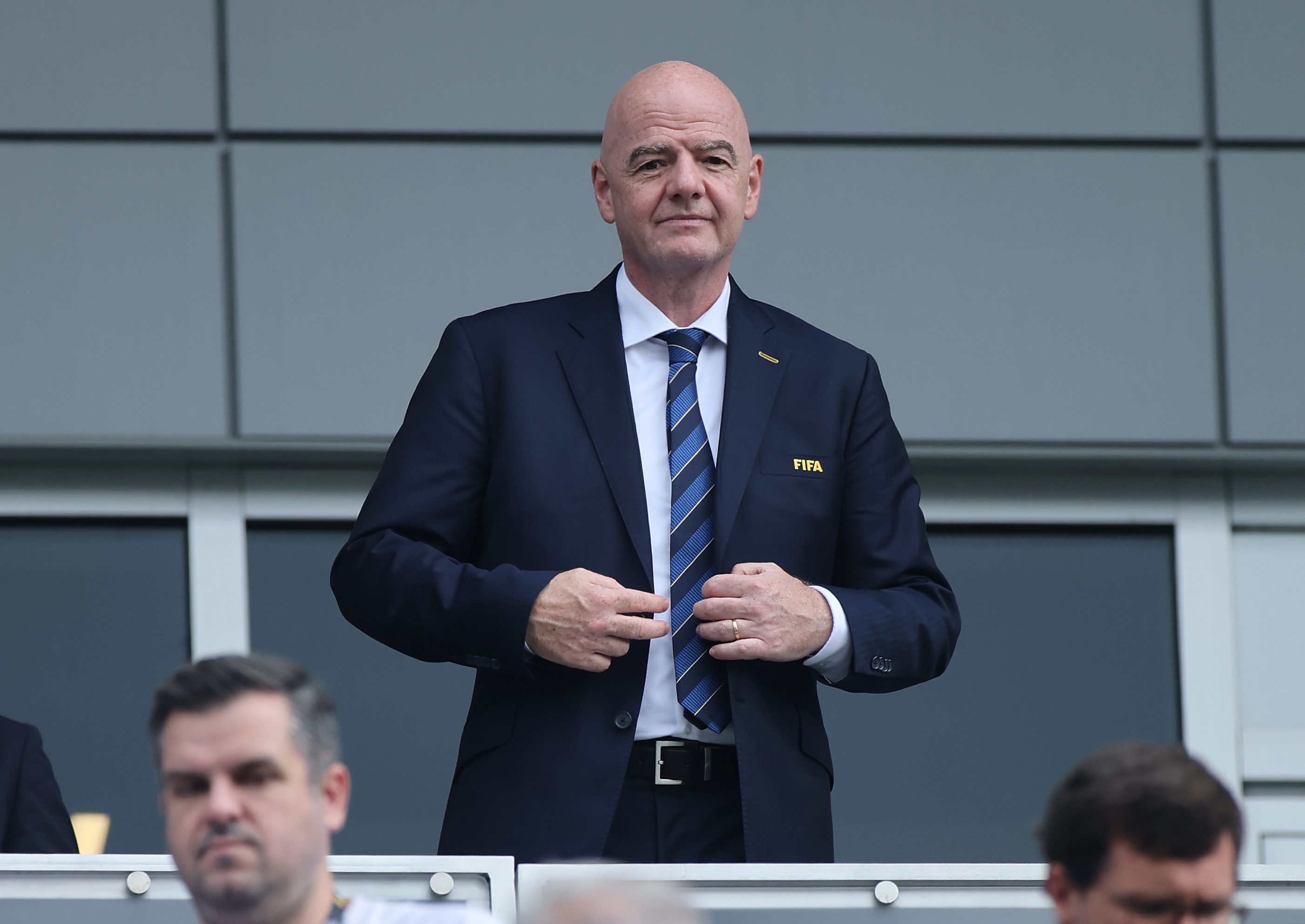
The world of football has been rocked by an extraordinary ultimatum from Europe's leading football nations: withdraw the controversial sale of minority stakes in the World Cup's commercial rights, or face an unprecedented boycott. This seismic announcement, reported by NPR World, signals a deepening rift between key European federations and global governing body FIFA.
At the heart of the dispute is FIFA's proposed deal to offload a portion of the tournament’s lucrative commercial rights to external investors, a move that European powerhouses argue undermines the World Cup's integrity and value. The decision by nations representing the sport's financial and competitive epicentre could throw the future of football's showpiece event into turmoil, with potentially billions of Australian dollars at stake.
Commercial Claws Into Sacred Ground
For decades, the World Cup has stood as a crown jewel, its commercial ownership largely unchallenged. FIFA's recent proposal to sell minority stakes has, however, ignited a firestorm, particularly among European federations who believe they contribute disproportionately to the tournament's success and global appeal. They contend that any such commercial restructuring should involve extensive consultation and transparent negotiations, neither of which, they claim, has been adequately provided.
NPR World's report highlights that the European nations view this commercialisation as a fundamental breach of trust and a direct threat to their long-term interests. The financial implications for FIFA, and indeed for the participating nations, are astronomical, with broadcasting rights, sponsorship deals, and merchandising generating immense revenue each tournament cycle. A boycott from Europe would not only decimate these revenue streams but also severely diminish the World Cup's competitive prestige and global viewership.
Europe's Unified Front Against FIFA
The threat of a united European front represents a formidable challenge to FIFA's authority. Historically, European federations, with their vast resources and cricketing heritage, have wielded significant influence within global football. This latest move marks a decisive escalation from mere diplomatic protests to direct action, suggesting a profound level of dissatisfaction with FIFA's current leadership and decision-making processes.
Anonymous sources cited by NPR World suggest that talks between European powerbrokers have been ongoing for some time, culminating in this dramatic public stance. The unified position illustrates a collective concern that FIFA is prioritising short-term financial gains over the sport's long-term health and the established principles of governance and collaboration. The European nations effectively argue that the World Cup, while a FIFA event, owes much of its value to the quality and passion brought by their teams and fans.
Billions At Risk for Global Football
The financial ramifications of a European boycott would be catastrophic, not just for FIFA but for football worldwide. The World Cup is a quadrennial economic engine, distributing significant funds to member associations across the globe, many of whom rely heavily on these disbursements for development initiatives. A diminished or cancelled tournament due to European abstention would strip away literally billions of Australian dollars from the sport's global infrastructure.
While FIFA has yet to officially respond to the boycott threat, the stakes are undeniably high. The prospect of a World Cup without footballing giants like Germany, France, Italy, Spain, and England is almost unthinkable. Such a scenario would not only impact the tournament's commercial viability but also profoundly affect its legitimacy and global standing. The coming weeks will undoubtedly be crucial as the global football community watches to see whether a compromise can be brokered or if European nations will indeed make good on their unprecedented threat.