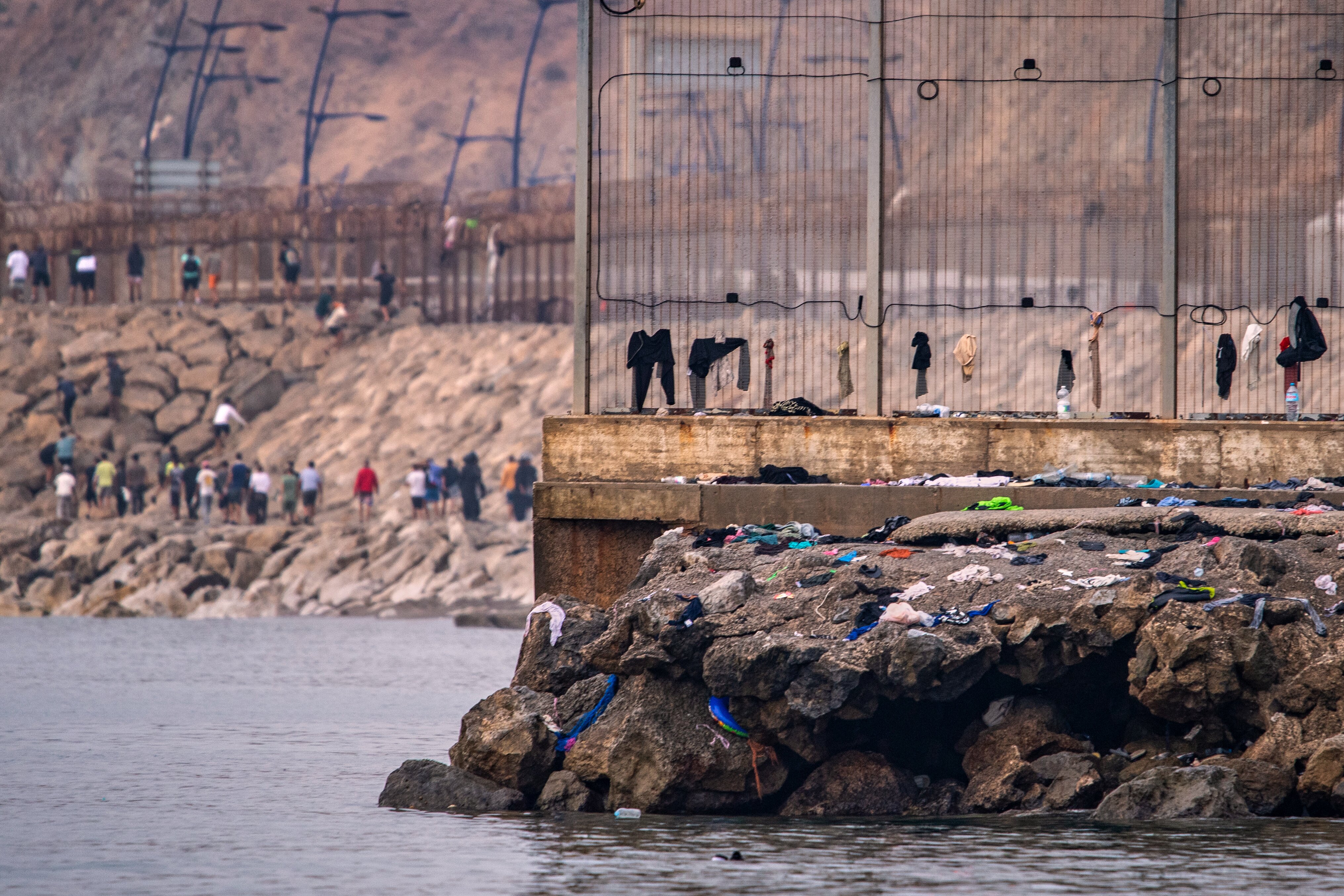
A diplomatic storm is brewing within the European Union after Spain sharply criticised Italy's 'selfish' reaction to a surge in migrant crossings into its North African enclave of Ceuta. The dramatic influx has prompted Italy to temporarily suspend the Schengen arrangement with Spain, further straining intra-European relations over border control and migrant responsibility.
The extraordinary rebuke, initially reported by BBC World, underscores growing fissures within the EU as member states grapple with the complex challenges of irregular migration. Spanish officials have expressed profound disappointment at Italy's unilateral decision, arguing it undermines the spirit of European solidarity in a moment of crisis.
Meloni Condemns 'Shocking' Scenes
Italian Prime Minister Giorgia Meloni did not mince words when describing the situation in Ceuta, labelling the scenes as "shocking" and a significant concern for European border integrity. Her government's move to suspend the Schengen agreement – which ordinarily allows passport-free travel between member states – is a stark demonstration of Rome's alarm.
This temporary suspension means that border checks will be reintroduced for travellers between Italy and Spain, potentially causing disruptions for tourists and businesses alike. While a temporary measure, its symbolic weight is considerable, highlighting a breakdown in trust and cooperation between two significant EU nations over a core principle of European integration.
A Gateway to Europe
Ceuta, along with Spain's other North African enclave, Melilla, serves as a heavily fortified European land border with Africa. It has long been a focal point for migrants attempting to reach Europe, primarily from North Africa and sub-Saharan Africa. The enclaves are magnets for those seeking asylum or economic opportunities, often at great personal risk.
The recent surge, the specific numbers of which have not been fully detailed, has seemingly overwhelmed Spanish resources and drawn international attention to the precarious situation at Europe's southern frontier. Humanitarian organisations on the ground have reported challenging conditions for the new arrivals, many of whom are vulnerable individuals.
Calls for EU-Wide Solidarity
Spain has consistently called for a more unified and equitable EU-wide approach to migration, advocating for greater burden-sharing among member states. The current crisis in Ceuta, and Italy's subsequent reaction, only amplifies Madrid's long-standing position that frontline states cannot bear the brunt of migration flows alone.
Critics of Italy's stance argue that suspending Schengen is a short-sighted and counterproductive measure that punishes Spain rather than addressing the root causes of migration or fostering collective solutions. They contend that such actions weaken the overall European project and embolden populist narratives.
Economic Implications for Travellers
For Australian travellers planning a European sojourn that includes both Italy and Spain, the temporary reintroduction of border checks could mean additional delays and administrative hurdles. While the immediate economic impact is difficult to quantify precisely, disruptions to the free movement of people and goods typically incur costs, ranging from increased travel times to potential impacts on cross-border trade, however minor in this instance. The situation remains fluid, with diplomatic efforts undoubtedly underway to de-escalate tensions and seek a more coordinated response to the complex challenges posed by migration at Europe's borders.