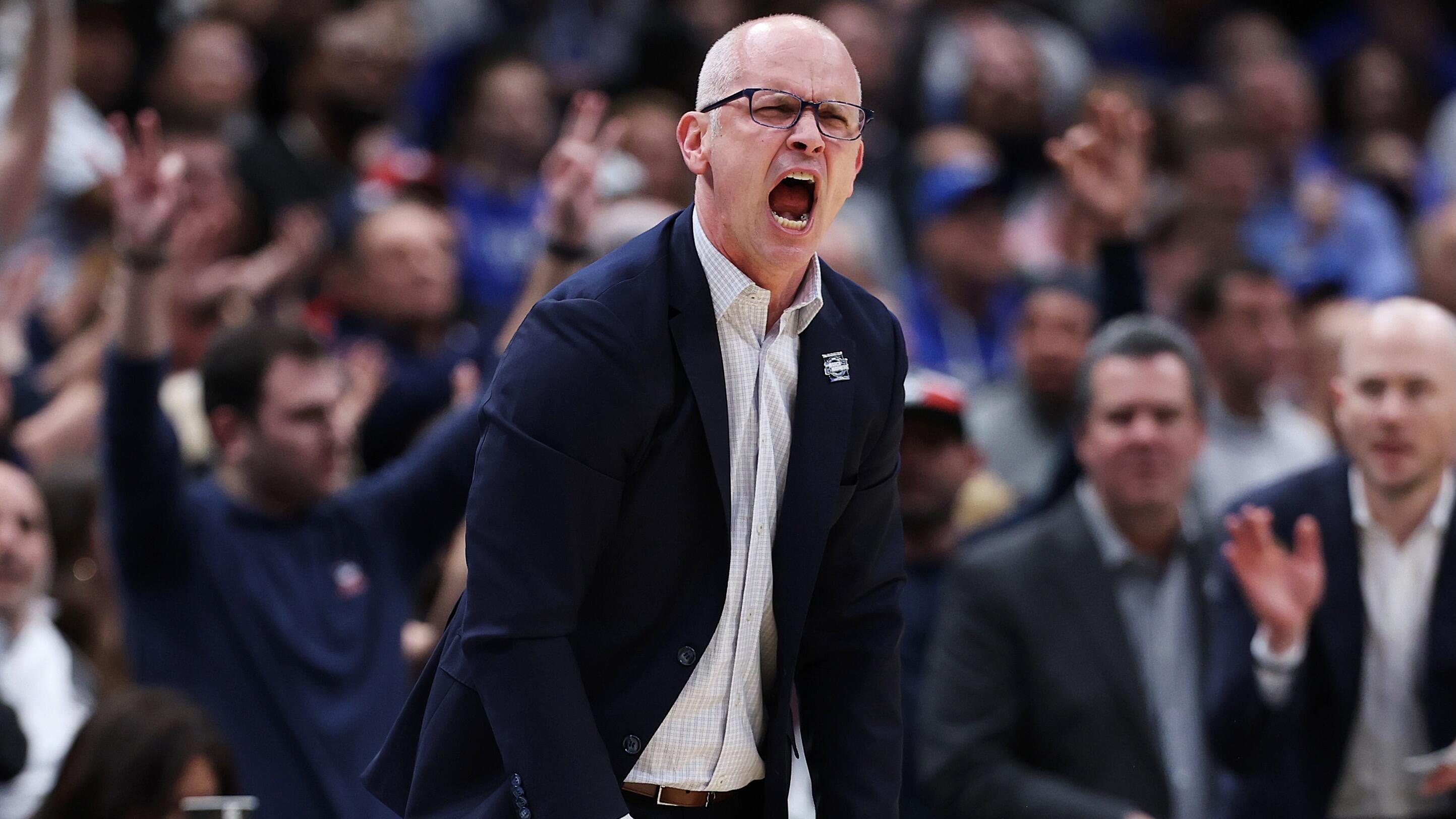
US college basketball is witnessing a golden age of non-conference scheduling, with high-profile matchups becoming a necessity rather than a luxury for elite programs. This strategic pivot, as explained by one of the sport's most successful coaches, is driven by the dynamic forces of the transfer portal and the insatiable quest for a national championship.
Traditionally, early season non-conference games often served as a warm-up, a chance for teams to fine-tune their systems against lesser opposition. However, the current climate, characterised by an unrestricted transfer market, has redefined what constitutes a successful season and how teams should prepare for it. The Sydney Daily News understands this shift is profoundly impacting recruitment and team development across American universities.
The Transfer Portal's Unforeseen Impact
The advent of the transfer portal has fundamentally altered team construction and player loyalty. Coaches can no longer rely on a four-year development cycle for their top prospects. Players, now with greater autonomy, frequently seek new opportunities if their initial team isn't delivering the desired level of competition or exposure. This reality forces coaches to accelerate player development and build cohesive units much faster.
Playing a robust schedule of challenging non-conference games earlier in the season offers several critical advantages. It provides an immediate crucible for new transfer players to integrate into the team's system and for coaches to assess their roster's strengths and weaknesses under genuine pressure. As CBS Sports NY reported, a prominent coach recently articulated this, stating that the intensity of these early games helps identify which players are truly ready for championship contention and which might struggle when the stakes are highest. This early examination is crucial for making necessary adjustments before conference play commences, where every game holds significant weight for NCAA tournament seeding.
Seeding the Path to March Madness
Beyond player development, a strong non-conference schedule plays a pivotal role in a team's national ranking and, crucially, its seeding for the NCAA Tournament, affectionately known as 'March Madness'. The tournament's selection committee heavily weighs a team's strength of schedule when determining berths and seedings. Programs that shy away from top-tier competition in November and December often find themselves at a disadvantage when the brackets are revealed in March.
Securing a higher seed often translates to a more favourable draw in the tournament, potentially avoiding other top contenders until later rounds. This strategic advantage can be the difference between an early exit and a deep run towards the championship. The pursuit of a national title, therefore, demands a proactive approach to scheduling, ensuring a team has faced and performed well against legitimate competition before the tournament begins.
Financial Incentives and Exposure
The benefits extend beyond the purely competitive. High-profile non-conference games generate significant revenue through ticket sales, television rights, and sponsorship deals, providing a substantial boost to university athletic budgets. These funds, often measured in millions of Australian dollars, can then be reinvested into coaching salaries, facility upgrades, and player welfare programs, further enhancing a program's attractiveness to prospective recruits.
Furthermore, these contests offer unparalleled national exposure. Playing against another top-ranked team, especially on a major television network, puts a program in the national spotlight. This visibility is invaluable for recruiting, fundraising, and bolstering the university's overall brand. It allows prospective student-athletes to envision themselves competing at the highest level and for alumni and fans to rally behind their team with renewed enthusiasm.
A New Era of College Basketball
The confluence of the transfer portal, the intense pursuit of national championships, and the financial and exposure benefits has ushered in a new era for US college basketball scheduling. Coaches are no longer afforded the luxury of a gentle build-up to their conference slate. Instead, they are aggressively seeking out challenging non-conference opponents, understanding that these early tests are indispensable for building a championship- calibre team and navigating the ever-evolving landscape of collegiate athletics. For fans, this means a more exciting and competitive start to the season, with meaningful games commencing much earlier than in previous decades.