
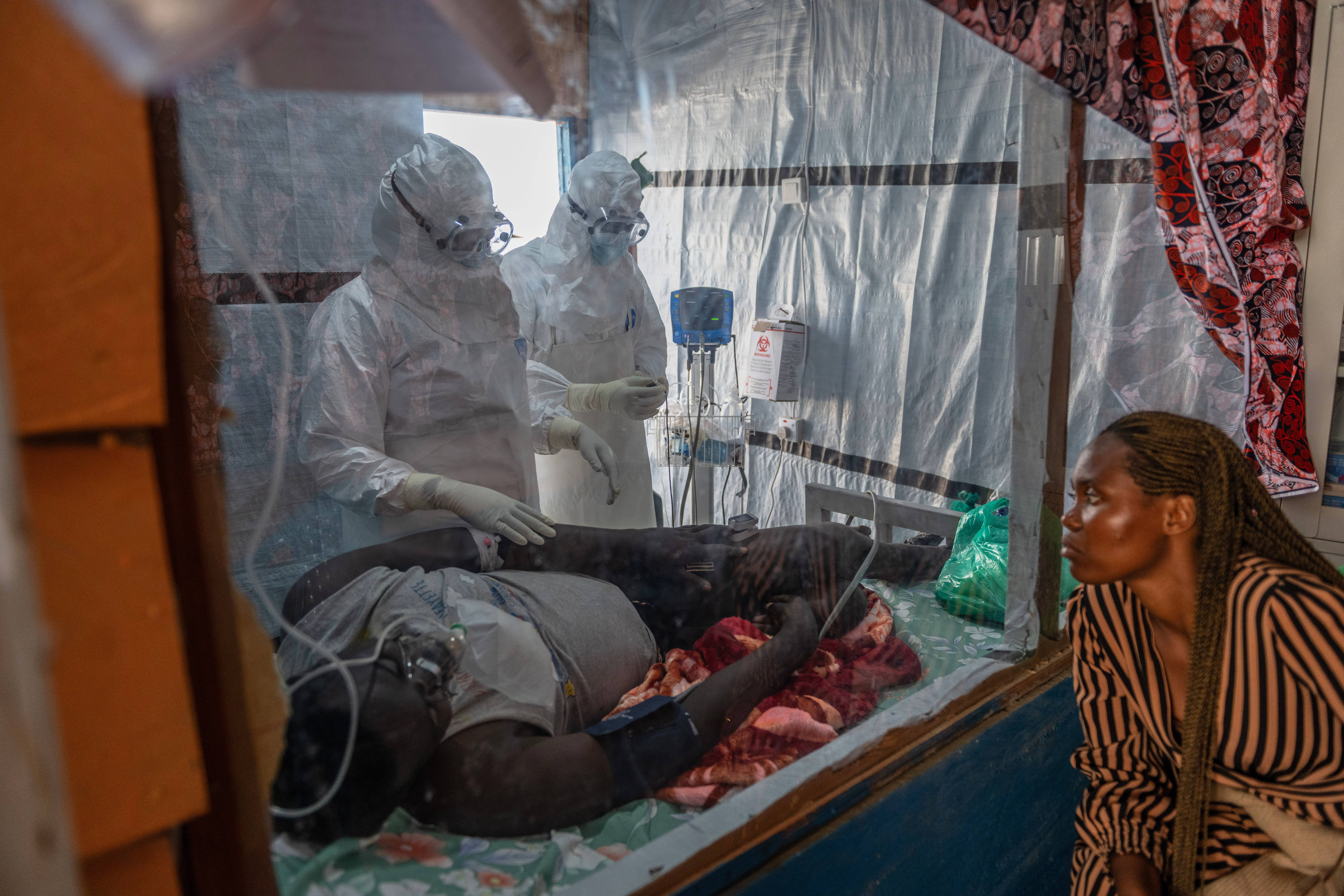
The Democratic Republic of Congo (DRC) is in the throes of a devastating Ebola outbreak, with the virus claiming the lives of at least 930 people, according to the nation's health ministry. The latest grim statistics reveal a deepening crisis, with 37 new deaths reported in a single 24-hour period – one of the highest daily tolls recorded since the outbreak began.
As of Saturday, a total of 2,344 cases have been confirmed, painting a stark picture of a burgeoning public health emergency in the central African nation. The relentless spread of the disease continues to pose significant humanitarian and logistical challenges for both local authorities and international aid agencies.
Escalating Numbers Highlight Crisis Severity
The sheer volume of recent fatalities has sent a fresh wave of concern through global health circles. While Ebola outbreaks are inherently severe, the sustained high daily death rates point to mounting difficulties in containment efforts. NPR World reported on the escalating numbers, underscoring the severity of the crisis unfolding in the DRC. This particular outbreak, centred primarily in the country's eastern provinces, is now the second-deadliest in history, surpassed only by the 2014-2016 West African epidemic that claimed over 11,000 lives.
The volatile security situation in regions like North Kivu and Ituri, where armed groups are active, has repeatedly hampered medical teams' ability to reach affected communities and safely conduct vaccination campaigns and contact tracing. This instability frequently disrupts critical public health interventions, exacerbating the spread of the virus and making it harder to establish a robust front-line response.
Frontline Battles and Community Resistance
Frontline healthcare workers are operating under immense pressure, often in perilous conditions. They confront not only the highly infectious nature of the virus but also significant community mistrust and misinformation. Misconceptions about Ebola and foreign intervention have, at times, led to resistance against treatment centres and vaccination campaigns, with clinics being attacked and staff threatened.
International organisations, including the World Health Organization (WHO) and Doctors Without Borders (MSF), are deploying extensive resources, but the scale of the challenge is formidable. The comprehensive strategy involves vaccination, treatment of confirmed cases, safe burials, and community engagement to educate the public on preventative measures. However, every disruption due to insecurity or community distrust sets back progress, giving the virus more opportunities to spread.
Economic Strain and Global Implications
Beyond the immediate human toll, the Ebola outbreak is imposing a significant economic burden on an already fragile nation. Healthcare systems are strained, trade and travel are disrupted, and livelihoods are imperilled. The long-term implications for the DRC's development are substantial, requiring sustained international support far beyond the immediate crisis.
While Australia is geographically distant from the epicentre of the outbreak, the global interconnectedness of health crises means that ongoing vigilance and support are crucial. The Australian government, through its various aid programs, contributes to global health initiatives, including those aimed at strengthening health systems in vulnerable nations. The current crisis in the DRC serves as a stark reminder of the continuous need for investment in global health security to prevent such outbreaks from spiralling out of control, potentially having broader regional and international repercussions. Every Australian dollar contributed to these efforts helps build resilience against such devastating diseases.

