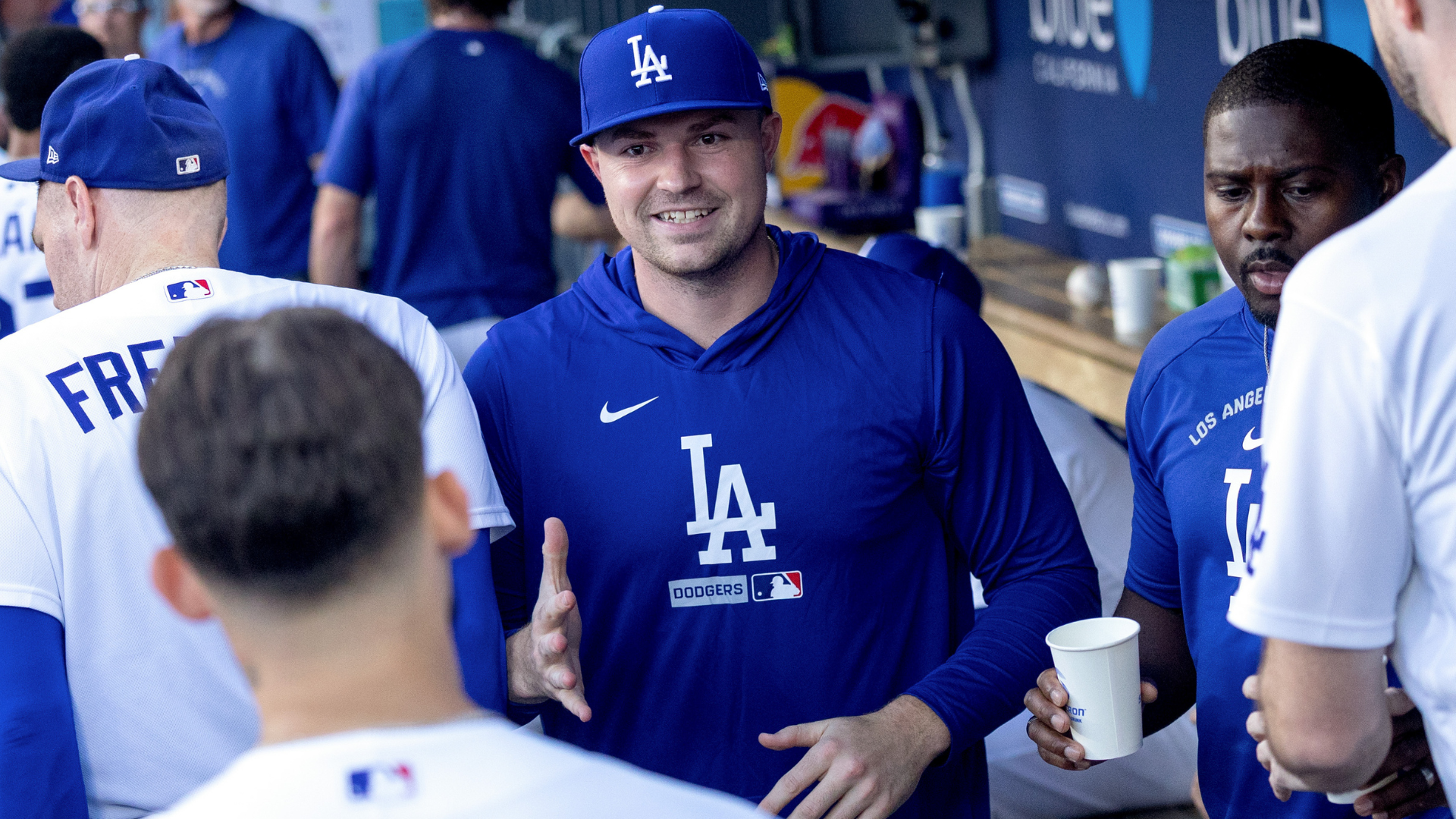
The Los Angeles Dodgers, often dubbed Major League Baseball's "Evil Empire" due to their aggressive pursuit of top talent, have once again sent shockwaves through the league with the acquisition of star pitcher Tarik Skubal. While many US sports pundits might point the finger at the Dodgers, a prominent New York sports media outlet suggests the real villains are the rival teams who stood idly by, allowing the rich to get richer.
CBS Sports NY recently ran a scathing piece arguing that the Dodgers aren't the primary problem in this scenario. Instead, it's the "cowardly teams who let it happen" that bear the brunt of the blame. This perspective suggests a deeper malaise within MLB, where parity is increasingly elusive and a handful of wealthy franchises dominate the landscape.
The Dodgers' Unyielding Ambition
The Dodgers' strategy is hardly a secret: acquire the best players, regardless of cost, and stack their roster with All-Star calibre talent. Skubal, a left-handed pitcher with a dazzling array of pitches and a burgeoning reputation, perfectly fits their mould. For a team consistently vying for World Series titles, adding a pitcher of his calibre is a logical, if ruthless, move. Their deep pockets and willingness to spend – often dwarfing the salary budgets of smaller market teams – allow them to outmanoeuvre competitors for top-tier free agents and trade targets. This financial disparity is a core tenet of the CBS Sports NY critique; they argue that other teams, despite having the means, simply aren't as aggressive in their pursuit of excellence, allowing the Dodgers to monopolise the market.
A League of Spectators?
The central argument put forth by CBS Sports NY is that while the Dodgers are playing the game as it's currently structured, many other teams are merely watching. They contend that a significant number of MLB franchises possess the financial wherewithal to compete for players like Skubal but choose not to, either due to a lack of ambition, fear of escalating payrolls, or a misguided belief in internal development alone. This creates a vacuum that the Dodgers and a few other mega-market teams are only too happy to fill. The consequence, as the outlet highlights, is a widening gap between the league's haves and have-nots, leading to predictable outcomes and a less compelling overall product for fans.
The Ripple Effect on Competitive Balance
The immediate impact of the Skubal trade is a further strengthening of the Dodgers' already formidable pitching rotation, making them even more formidable contenders. The broader implication, however, is on competitive balance across the league. When elite talent consistently funnels into a select few teams, it diminishes the prospects of other franchises and can lead to a more homogenous, less exciting regular season. Fans in smaller markets, already struggling to compete with the financial might of behemoths like the Dodgers, face the ongoing frustration of watching their team's best players depart for greener, and richer, pastures.
Is MLB's Structure to Blame?
While individual team owners and their executives bear responsibility, the CBS Sports NY report implicitly raises questions about MLB's broader economic structure. Unlike some sports leagues with stricter salary caps and revenue sharing models, baseball's system allows for significant financial disparities. While efforts have been made to introduce luxury taxes and other mechanisms to promote competitive balance, they appear insufficient to curb the dominance of the league's wealthiest franchises. The Skubal trade, in this light, isn't just about one team acquiring one player; it's a symptom of a systemic issue that continues to challenge the competitive integrity and long-term health of Major League Baseball.