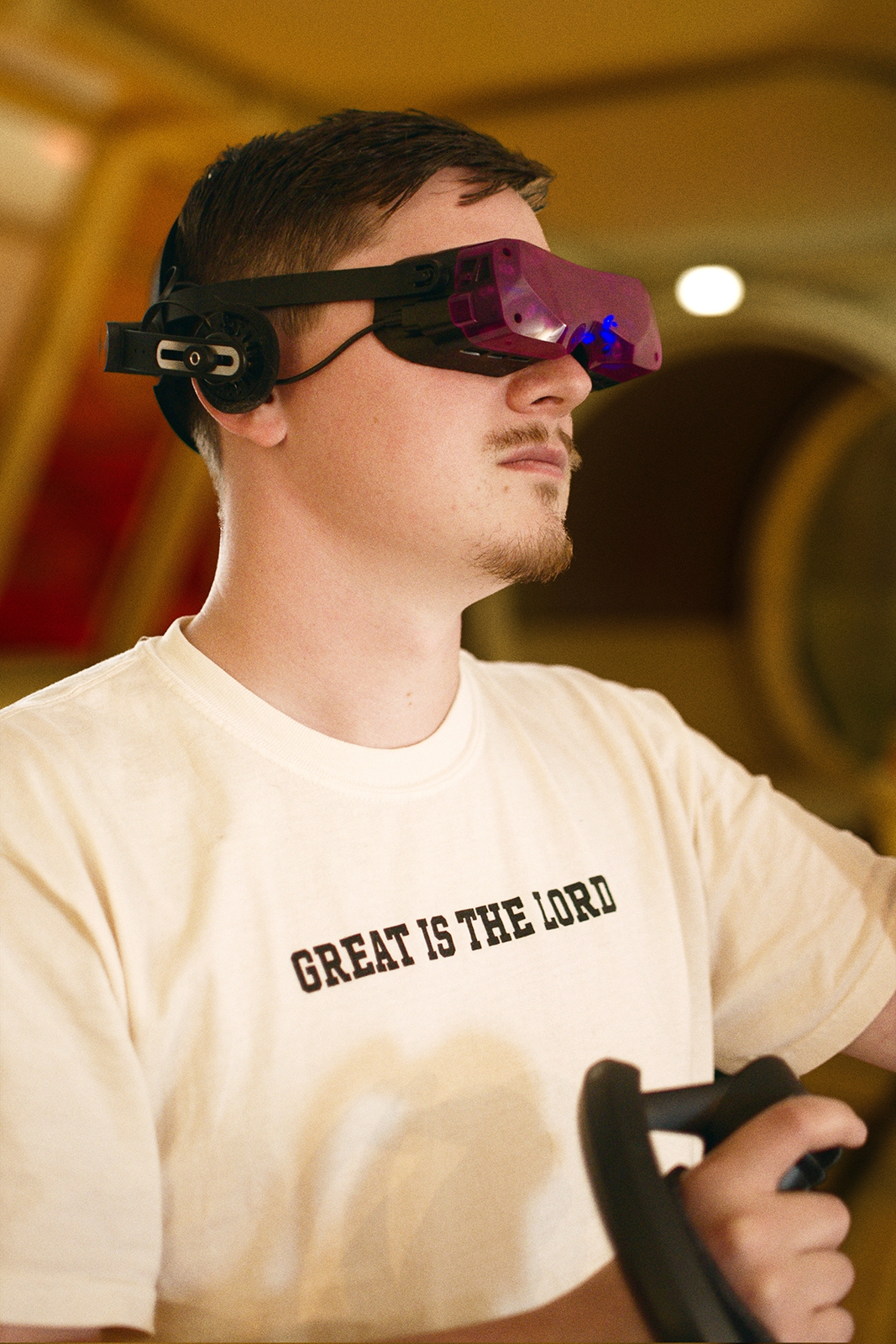
In an increasingly secular world, a surprising new spiritual battleground has emerged: the metaverse. Australian missionaries are among those at the forefront, venturing into virtual landscapes like Roblox and Decentraland to preach the Gospel, baptise avatars, and build online congregations, according to a report by NPR Arts.
This isn't just about recreating physical church services online; it's about active, digital evangelism. Missionaries are setting up virtual churches, holding baptisms using virtual water, and engaging with a global, often young, audience hungry for connection, albeit in a pixelated world. The tactics may have evolved, but the mission remains steadfast: to spread Christian faith to new territories.
Avatar Evangelism: A New Frontier for Faith
For centuries, Christian missionaries traversed oceans and continents, facing physical dangers and cultural barriers. Today, their successors are navigating virtual worlds, often from the comfort of their homes. This marks a radical shift in missionary strategy, embracing technology to reach millions who might never set foot in a traditional church building.
NPR Arts highlighted how missionaries are conducting services in virtual reality (VR) environments, leading Bible studies, and even performing virtual baptisms – complete with digital immersion effects. These aren't just one-off events; persistent virtual churches are being established, offering regular services, counselling, and community support in a way that blurs the lines between the digital and the divine. The appeal is broad, reaching individuals who may feel alienated from traditional religious institutions or who reside in regions where open worship is restricted.
From Roblox to the Metaverse: Digital Discipleship
The platforms being leveraged range from gaming powerhouse Roblox, popular with younger demographics, to more intricate metaverse platforms like Decentraland. In these spaces, individuals create avatars, interact, and build virtual lives. Missionaries are capitalising on this existing engagement to introduce spiritual dimensions. They build virtual churches, host events, and offer pastoral care to avatars and their human counterparts.
This digital discipleship involves learning new skills, from navigating VR environments to understanding the unique social dynamics of online communities. It requires missionaries to be adaptable, tech-savvy, and deeply attuned to the nuances of virtual interaction. The focus isn't just on broadcast; it's on fostering genuine relationships and community in a digital context, proving that the room may be virtual, but the prayer — and the evangelism — are not, as NPR Arts aptly observed.
Funding the Virtual Pulpit
The financial implications of this digital mission field are also evolving. While traditional missionary work involved significant travel and infrastructure costs, the metaverse presents a different set of expenses. Developing immersive virtual church spaces, purchasing digital land, and investing in VR equipment can still be substantial. However, the reach per dollar spent could be dramatically higher, potentially democratising missionary efforts for smaller organisations or individual evangelists.
Funding for these initiatives often comes from traditional church donations, but some groups are exploring novel avenues like cryptocurrency donations or even selling virtual assets within the metaverse to support their ministries. The cost of entry for a small virtual congregation might be a few hundred Australian dollars for basic digital assets, while larger, more elaborate virtual cathedrals could run into the tens of thousands.
The Australian Connection: Global Digital Outreach
Australian evangelical groups are not strangers to innovative outreach, often recognised for their robust global missionary efforts. This includes adopting cutting-edge technologies. While specific Australian metaverse missionary groups were not detailed in the NPR Arts report, it's highly probable that Australian missionaries are actively participating or preparing to enter this digital domain, given their historical proactive stance in global evangelism.
The convenience of virtual platforms allows for international reach without the logistical hurdles of international travel, making it an attractive prospect for Australian organisations seeking to expand their influence. This new digital mission field represents not just a technological shift, but a profound re-imagining of how faith can be shared and community built in the 21st century, transcending physical boundaries into the boundless expanse of the metaverse.