
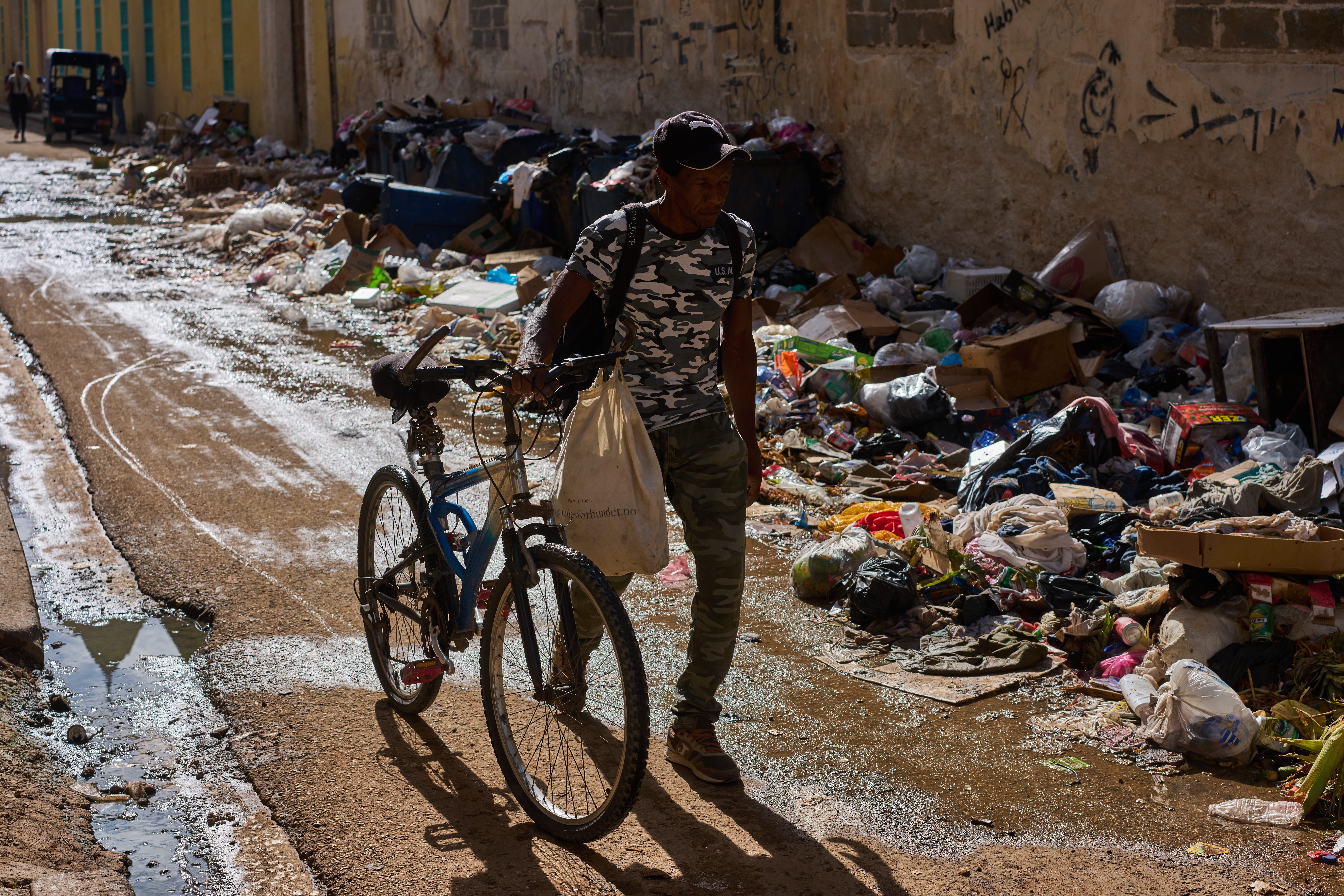
For decades, the United States represented the shimmering beacon of hope for Cubans seeking to escape the economic and political realities of their island nation. From the daring balseros risking the Florida Straits to those navigating complex immigration policies, the American dream held an undeniable allure.
Today, that dream is fading for many, as legal avenues to the US tighten considerably. Instead, a new, perhaps unexpected, destination has emerged: Brazil. This vast South American powerhouse, with its more liberal asylum policies and burgeoning economy, is now becoming the primary destination for Cubans desperate for a fresh start, according to a report by NPR World.
A Shifting Compass: From North to South
The policy landscape in the US has shifted dramatically over recent years, making legal entry for Cubans exceedingly difficult. The "wet foot, dry foot" policy, which once offered a pathway to residency for Cubans who reached US soil, was rescinded in 2017. Subsequent administrations have maintained a firm stance on border security and asylum claims, leaving many Cubans with few viable options to enter the US legally. This policy shift has inadvertently redirected a significant migration flow, transforming Brazil into a de facto sanctuary.
Brazil, in stark contrast, has cultivated a more welcoming environment for asylum seekers, a stance largely shaped by its own historical experiences with migration and political upheaval. Its asylum laws are considered among the most progressive in the region, offering a lifeline to those who can demonstrate a credible fear of persecution in their home country. This policy divergence is a critical factor in the growing number of Cubans now making the arduous journey south, rather than north.
The Allure of a New Horizon
The economic promise of Brazil, while facing its own set of challenges, still outweighs the stagnation many Cubans experience at home. While not as economically robust as the United States, Brazil offers opportunities in sectors like construction, agriculture, and informal labour, providing a crucial foothold for new arrivals. The cost of living, while variable, can also be more manageable for those starting from scratch, especially when compared to major US cities.
Anecdotal evidence suggests that Cuban communities are beginning to form in key Brazilian cities, offering networks of support and assistance for new arrivals. These burgeoning communities provide a sense of familiarity and solidarity, easing the often-traumatic experience of displacement and resettlement. Furthermore, the cultural and linguistic similarities between Cuba and Brazil – both Romance-language speaking nations with vibrant Afro-Caribbean influences – can make the integration process less daunting than assimilation into an English-speaking society.
Challenges on the Road Less Travelled
While Brazil offers a more accessible pathway, the journey itself is far from straightforward. Cubans often face perilous routes, traversing multiple borders, and encountering various forms of exploitation and danger along the way. The financial cost of such a journey can be exorbitant, often requiring families to pool their resources or go into significant debt, an investment typically measured in thousands of US dollars – a substantial sum for many Cubans.
Upon arrival, new asylum seekers often face the immediate challenges of language barriers (despite similarities, Brazilian Portuguese differs from Cuban Spanish), finding stable employment, and navigating Brazil's bureaucratic systems. While the country's asylum laws are progressive, the practical implementation can be slow, leaving many in a state of limbo for extended periods. Access to social services, healthcare, and education also presents hurdles that require resilience and persistence to overcome.
A New Chapter for Displaced Cubans
The increasing migration of Cubans to Brazil underscores a significant shift in regional migration patterns and highlights the evolving nature of global asylum. As traditional routes close, individuals and families are demonstrating incredible adaptability and determination, charting new courses in pursuit of safety and opportunity. For Brazil, this influx represents both a humanitarian responsibility and a potential boost to its multicultural fabric.
For the Cubans making this journey, it is a testament to their enduring hope and resilience, as they exchange one dream for another, forging new lives in a land they once scarcely considered. The vibrant streets of São Paulo or the bustling markets of Rio de Janeiro are now, for many, the new front line of their quest for a better future, far from the American shores that once beckoned so brightly.