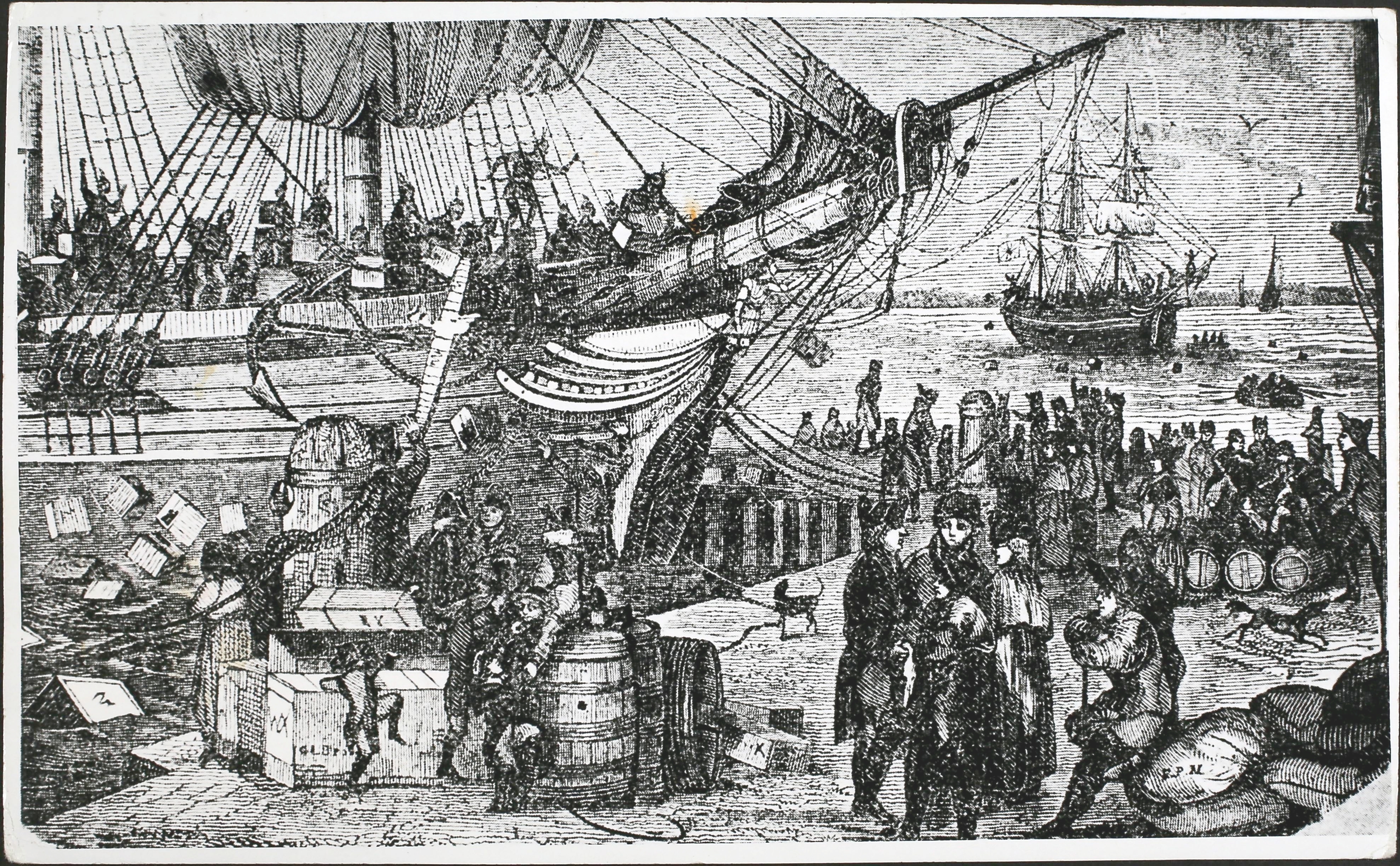
While the iconic image of American revolutionaries undoubtedly involves dumping crates of British tea into Boston Harbour, a deeper dive into the era reveals another, less talked about, beverage already brewing dissent: coffee. Far from being a mere footnote, the humble coffee bean played a pivotal role in energising the nascent American spirit of independence, quietly fostering revolutionary ideas in bustling colonial establishments.
NPR Business recently reported on this intriguing historical twist, highlighting that colonial Americans were significant coffee drinkers well before the dramatic acts of defiance against British rule. Often seen as a symbol of rebellion against the Crown's exorbitant tea taxes, drinking coffee wasn't just a political statement – it was already an ingrained part of daily life for a growing segment of the population.
More Than Just a Morning Brew
Coffeehouses in colonial America were not merely places to grab a quick pick-me-up; they were vibrant hubs of intellectual and political discourse. Much like the Sydney cafes of today, these establishments served as informal parliaments, newsrooms, and social centres. Patrons – merchants, artisans, lawyers, and politicians – would gather, often for hours, to discuss current events, debate philosophies, and share grievances against British policies. The stimulating effects of caffeine, in contrast to the more calming properties of tea, perhaps even contributed to the heightened energy and fervent discussions that characterised these meetings. It was within these smoky, aromatic confines that revolutionary sentiments were openly exchanged, refined, and ultimately solidified.
A Taste of Freedom, a Sip of Dissent
The burgeoning popularity of coffee also represented a subtle but significant cultural shift. Tea, for centuries, had been synonymous with British identity and social rituals. By embracing coffee, colonists were not just choosing a different drink; they were, consciously or unconsciously, distancing themselves from their British heritage and forging a distinct American identity. This choice became even more pronounced as tensions escalated with Britain. After the imposition of the Stamp Act and subsequent punitive measures, boycotting British goods, including tea, became a powerful form of protest. Coffee, readily available from sources outside the British East India Company's monopoly, offered a palatable and practical alternative, reinforcing the spirit of self-reliance.
The Financial Aroma of Independence
Beyond cultural and political motivations, there was also an economic dimension to coffee's rise. While the British government sought to control and tax tea imports, the nascent American economy found opportunities in the coffee trade. Farmers in the West Indies, many of whom had strong ties to American merchants, supplied the beans, creating a trade network that bypassed British restrictions. This economic independence, fostered by the demand for coffee, provided a financial backbone for the growing revolutionary movement. Coffee, therefore, wasn't just a beverage; it was an economic driver contributing to the colonists' ability to stand on their own two feet, financially as well as ideologically. The cost of a cup of coffee, while perhaps a few shillings back then, represented a small investment in a larger, burgeoning economic autonomy.
Coffee's Enduring Legacy
The American Revolution ultimately succeeded, and while many factors contributed to this monumental achievement, the role of coffeehouses and the beverage itself cannot be overstated. From providing a neutral ground for conspirators to meet discreetly, to offering a widely adopted symbol of defiance against British economic control, coffee brewed more than just a morning routine. It brewed independence. As NPR Business's report underscores, the next time you enjoy your flat white or long black, spare a thought for its revolutionary ancestors, who perhaps unknowingly, laid the groundwork for a new nation, one stimulating cup at a time.