
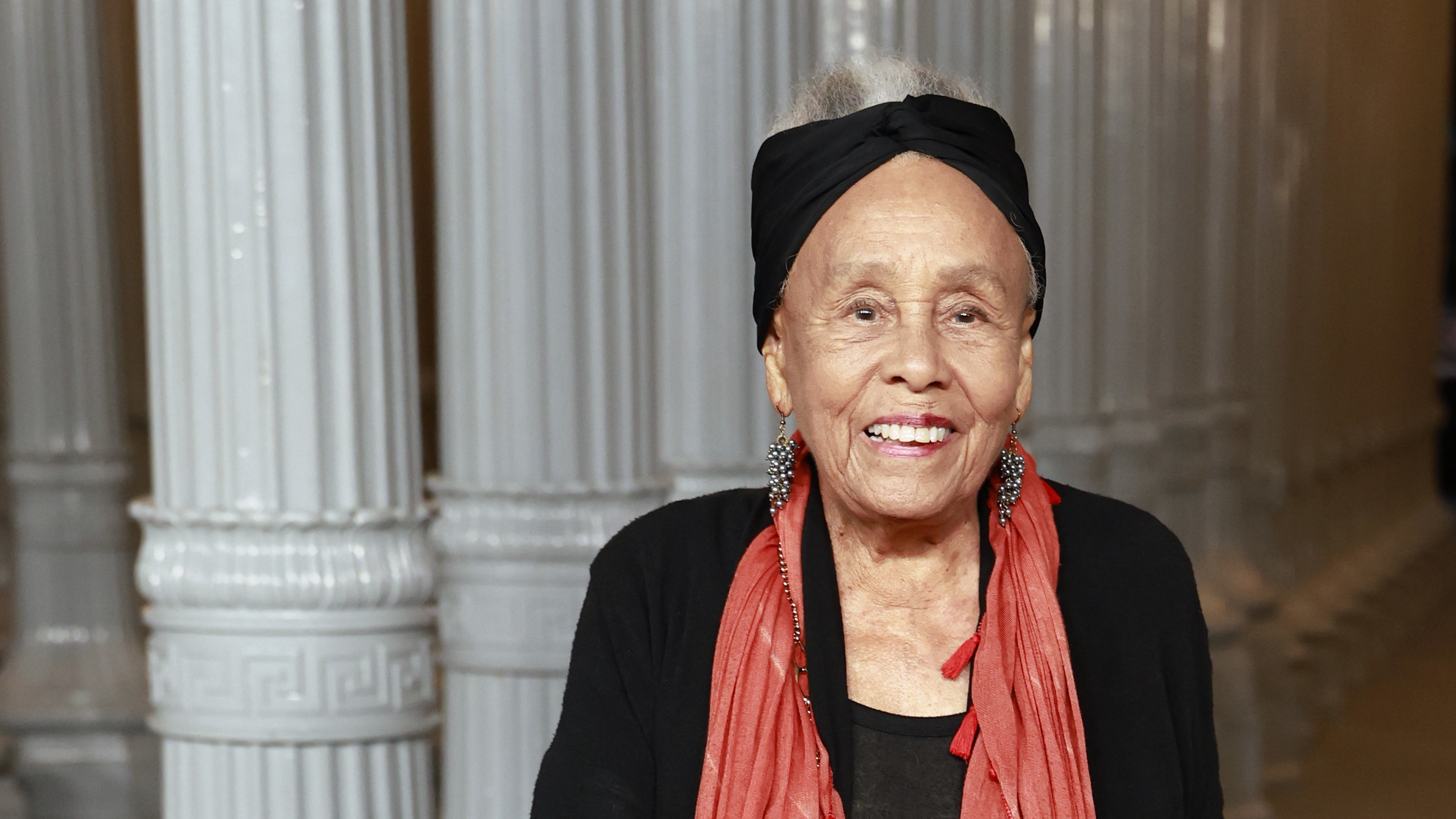
Sydney, Australia – The art world is mourning the loss of Betye Saar, the trailblazing American artist whose powerful and deeply personal assemblages redefined narratives of Black identity and challenged societal norms. Saar died on the eve of her 100th birthday, leaving behind a monumental legacy that reverberates through contemporary art.
Her passing marks the end of an era for a figure often described as a godmother of the Black Arts Movement and a visionary who imbued everyday objects with profound meaning. As she told NPR in 2006, her artistic process was both literal and metaphorical: "I'm the kind of person who recycles materials, but I also recycle emotions and feelings."
A Life Reshaping American Art
Born in Los Angeles in 1926, Saar's artistic journey began against a backdrop of racial segregation and burgeoning civil rights activism. Initially studying design and printmaking, her focus shifted dramatically in the 1960s. Inspired by artists like Joseph Cornell and the found objects she encountered, Saar began creating intricate, evocative assemblages from discarded items – everything from antique photographs to washboards and racist memorabilia.
Her work frequently confronted the pervasive stereotypes of Black individuals, particularly the derogatory Aunt Jemima figure. In her seminal 1972 piece, The Liberation of Aunt Jemima, Saar transformed a jovial mammy figurine by arming her with a rifle and a grenade, subverting a symbol of subservience into one of militant empowerment. This bold reappropriation sent shockwaves through the art establishment and firmly cemented her place as a pivotal figure in the fight for racial justice through art.
From Personal to Universal
Saar's art was deeply personal, drawing from her family history, African diaspora, mysticism, and a profound sense of spiritual connection. Yet, by embedding these intimate narratives within her work, she created universal dialogues around race, gender, and power. Her assemblages were not merely decorative; they were potent acts of defiance and healing, transforming the discarded and devalued into objects of veneration and resistance.
Over her seven-decade career, Saar exhibited extensively across the globe, with major retrospectives at institutions such as the Museum of Modern Art in New York and the Los Angeles County Museum of Art. Her work is held in the permanent collections of prestigious galleries worldwide, including what would be invaluable pieces if they ever left the US, easily fetching millions of Australian dollars today. Her influence extended beyond her own creations; she mentored countless artists and inspired generations to explore identity, memory, and social justice through their practice.
A Legacy of Reclaiming and Resisting
Until her final years, Saar remained an active and vibrant force, continuing to create and exhibit new works. Her tireless dedication to art as a vehicle for social commentary never wavered. NPR Arts reported that Saar often spoke of her desire to "make people conscious of what they're seeing and what they've seen."
Her passing leaves a void in the art world, but her legacy of reclaiming narratives, resisting oppression, and transforming the ordinary into the extraordinary will undoubtedly continue to inspire. Betye Saar's art serves as a powerful reminder that history, emotion, and identity can be profoundly expressed through the most unassuming of objects, forever challenging us to look deeper and question the stories we are told.


