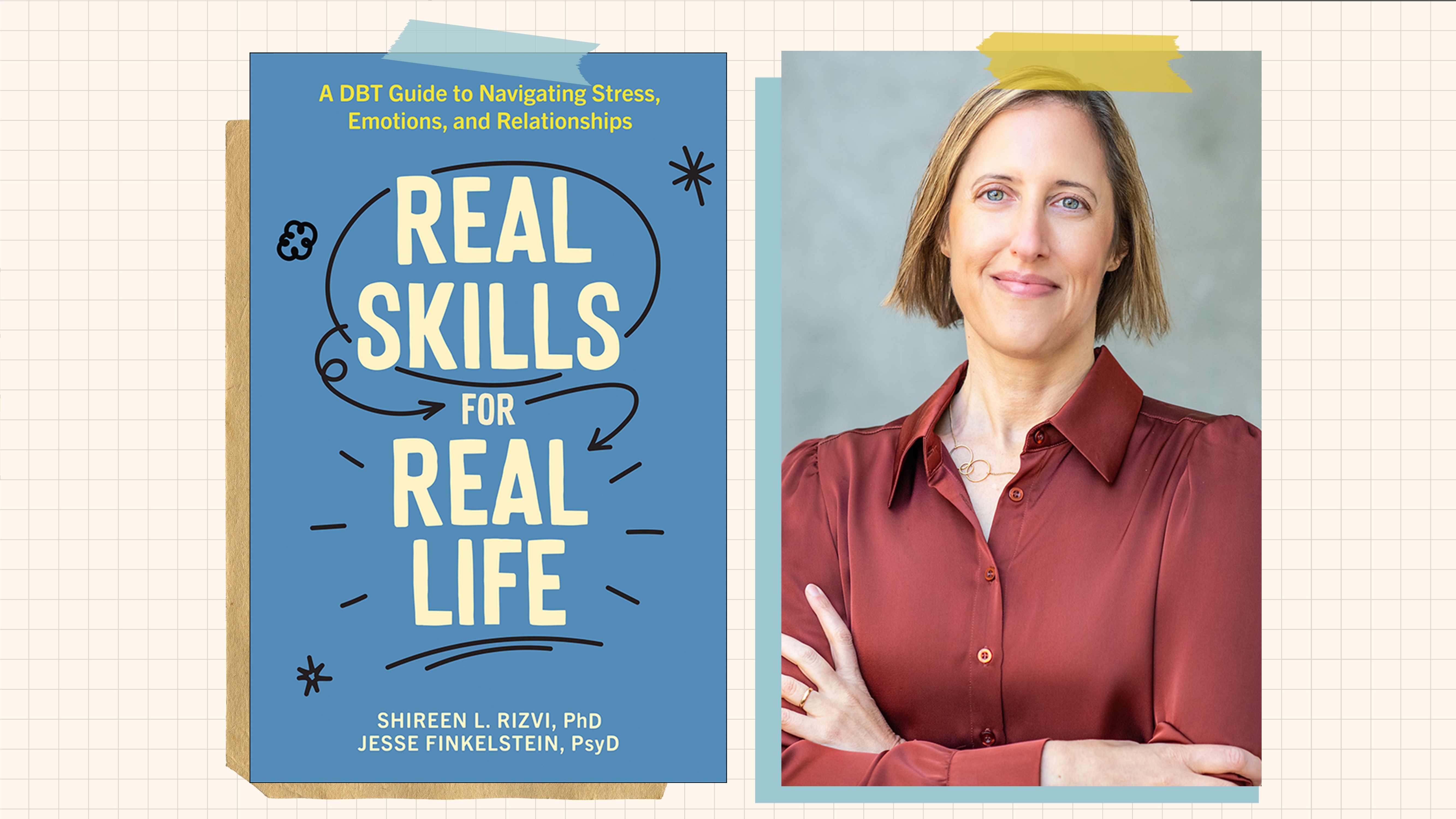
Harriet Clark was just a baby in 1981 when her mother, a member of a radical left-wing group in the United States, made a life-altering decision that would shape both their futures. Her mother acted as the getaway driver in the armed robbery of a Brinks security truck, a crime for which she was subsequently imprisoned. Now, 37 years later, Clark has distilled these formative experiences into her debut novel, 'The Hill', a searing exploration of family, consequence, and the quiet resilience forged in the shadow of incarceration.
Her novel, reported NPR Arts, is generating significant buzz for its unflinching honesty and nuanced portrayal of a reality seldom shared in mainstream literature. It delves deep into the often-overlooked lives of children and families left behind by the prison system, offering a perspective beyond the crime itself and into the decades of weekly visits, shared silences, and the complex bond that endures despite institutional walls.
A Childhood Defined by Concrete and Fences
Clark's childhood was inextricably linked to prison visiting rooms, a landscape of sterile environments, armed guards, and the ever-present hum of institutional life. For 37 years, these visits were a constant, a ritual that punctuated her weeks and shaped her understanding of family. 'The Hill' is not a direct autobiography, Clark has clarified in interviews, but rather a fictionalised account heavily inspired by the emotional terrain and lived experiences of those long journeys to see her mother. It explores the psychological weight carried by the children of incarcerated parents – the stigma, the emotional turbulence, and the unique challenges of maintaining a connection across such formidable barriers.
The novel reportedly navigates the complexities of loving someone who has committed a serious crime, and the struggle to reconcile that person with the parent one knows. It examines the emotional toll on the protagonist, fictionalised to allow for broader narrative exploration, as she navigates adolescence and adulthood with a vital part of her family locked away. The narrative is said to be particularly strong in illustrating the quiet moments of connection and heartbreak that characterise these relationships, painting a vivid picture of how a prison sentence extends far beyond the individual behind bars.
The Unspoken Sentences of Family
One of the novel's most compelling aspects, according to NPR Arts, is its examination of the "unspoken sentences" served by the families of the incarcerated. Beyond the legal judgement handed down in court, there exists a parallel sentence of emotional hardship, social isolation, and financial strain. While not explicitly detailed in the summary, given the Australian broadsheet context, a book exploring 37 years of prison visits would implicitly touch upon the significant costs involved – not just in terms of petrol and wear and tear on a vehicle, but the lost income from travel days, the expense of phone calls, and the cumulative psychological burden that often goes unacknowledged. The author reportedly handles these themes with a sensitive yet powerful hand, allowing readers to glimpse the intergenerational impact of a single crime.
Radical Politics and Enduring Bonds
The backdrop to Clark's personal story, and by extension her novel, is her mother's involvement with a radical left-wing group. This political context, while not the central focus of 'The Hill', inevitably adds another layer of complexity to the narrative. It raises questions about conviction, ideology, and the choices people make in pursuit of their beliefs, however misguided or destructive those actions may prove to be. The novel, however, appears to pivot away from political dogma to focus on the deeply human story of a mother and daughter. It's a testament to the enduring, albeit complicated, bond that can persist through decades of separation and extraordinary circumstances.
'The Hill' offers a vital and often overlooked perspective, giving voice to a narrative that is both intensely personal yet universally resonant in its exploration of family, forgiveness, and the long shadow cast by our past actions. It’s a powerful debut that promises to provoke thought and empathy, reminding readers that every crime has an extended story, quietly playing out in the lives of those left behind.