The fiercely competitive landscape of American college football is set to broaden its horizons, with North Dakota State University and Sacramento State University recently elevated to the sport's top-tier Football Bowl Subdivision (FBS). These additions, reported by CBS Sports NY, swell the FBS ranks to 138 teams, marking a significant expansion for a sport that commands immense passion and substantial financial investment across the United States.
Bison Stampede into Mountain West
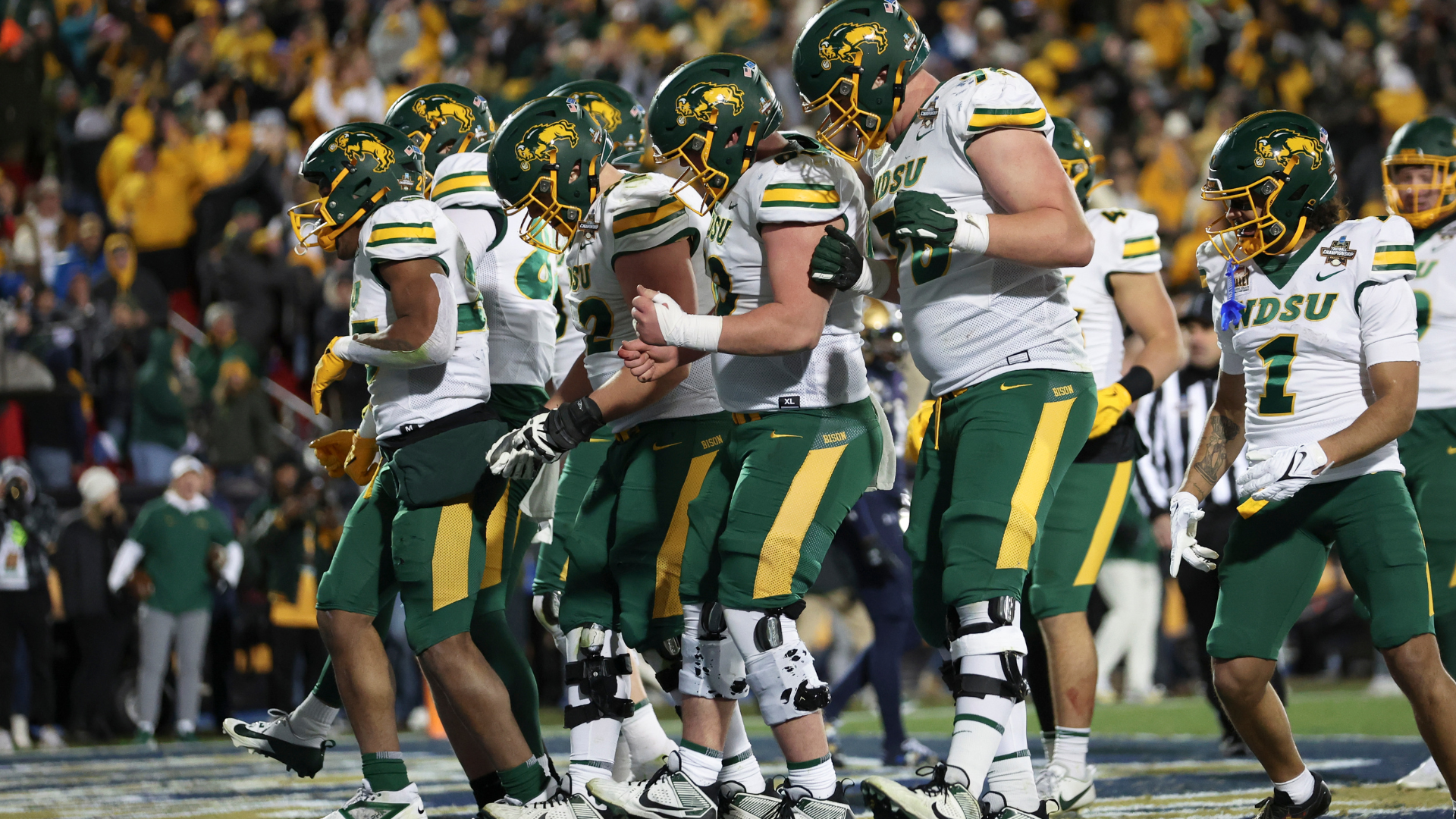
North Dakota State University, known colloquially as the Bison, will be making the ambitious leap from the Football Championship Subdivision (FCS) to the Mountain West Conference. This move is particularly noteworthy given the Bison's storied history of dominance in the FCS, where they have consistently been a powerhouse, accumulating an impressive tally of nine national championships in just 13 seasons since 2011. Their transition to the FBS, a division known for its larger stadiums, bigger budgets, and national media coverage, represents a considerable step up in competition and profile. The Mountain West, a conference stretching across the western United States, offers a challenging new environment for the Bison, pitting them against established programs and exposing their highly successful brand of football to a national audience hungry for new rivalries and compelling narratives. Experts suggest this move could inject fresh energy into the Mountain West, potentially increasing viewership and revenue for all member institutions.
Hornets Buzzing Towards the MAC
Meanwhile, Sacramento State University, the Hornets, are set to make their own significant upgrade, joining the Mid-American Conference (MAC). This conference, historically a breeding ground for NFL talent, is primarily based in the Midwest and Northeast, meaning the Hornets will face substantial travel commitments as they navigate their new schedule. Like the Bison, Sacramento State has enjoyed considerable success in the FCS, demonstrating a consistent ability to compete at a high level. Their move to the MAC not only elevates their athletic program but also offers broader exposure for the university itself, potentially attracting a more diverse student body from across different regions of the US. The financial implications of such a move are also substantial, with increased television revenue and sponsorship opportunities likely to follow the transition to the FBS. For the players, it offers a direct pathway to compete against the best collegiate athletes in the country, honing their skills on a larger stage.
The Allure of the Big League
For Australian observers, the appeal of moving to a higher division in American college football can be likened to a state-league Aussie Rules club making the jump to the AFL. The FBS offers significantly more resources, including multi-million dollar athletic budgets, state-of-the-art facilities, and lucrative television broadcast deals that can generate hundreds of millions of Australian dollars annually. These financial windfalls allow universities to invest heavily in coaching staff, player development, and infrastructure, creating a positive feedback loop that further elevates the prestige and competitiveness of their programs. The increased visibility also serves as a powerful recruiting tool, attracting top high school talent who aspire to play professionally in the NFL. For the universities, the national exposure generated by a successful FBS football program can translate into increased applications, alumni donations, and a stronger institutional brand.
Implications for the Sporting Landscape
These expansions are not merely administrative changes; they represent a continual evolution within American college sport. The addition of new teams often revitalises conferences, fostering new rivalries and generating increased media interest. For North Dakota State and Sacramento State, the challenge will be to adapt their successful FCS models to the more intense competition and heightened scrutiny of the FBS. Success in this new environment could see these universities transform their athletic programs and significantly boost their national profiles. Conversely, the transition can be fraught with challenges, requiring substantial investment and a period of adjustment. Nonetheless, for fans and participants alike, the expansion signals a vibrant and growing future for one of America's most beloved and commercially powerful sports.