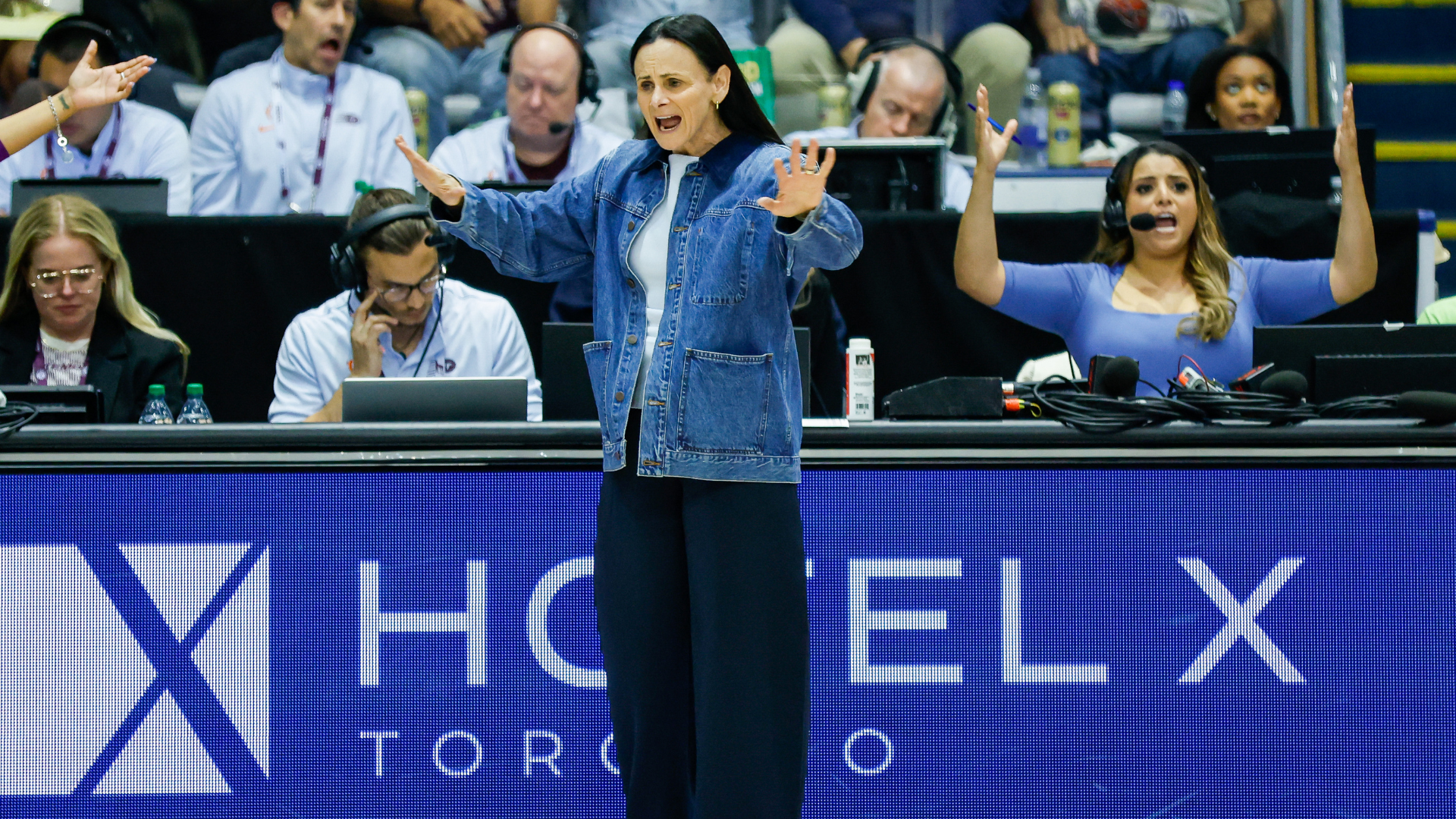
Australian basketball coaching icon Sandy Brondello has publicly apologised for her recent remarks referring to US college basketball sensation Angel Reese as a 'protected species'. The contentious comment, made during a post-game press conference, ignited a firestorm of debate across the Women's National Basketball Association (WNBA), particularly regarding officiating fairness and perceived biases.
Brondello, head coach of the New York Liberty, expressed deep regret over the phrasing, acknowledging that her words unfairly targeted Reese and overshadowed her own frustration with the officiating crew. “I’m deeply sorry that my words demonised Angel,” Brondello stated in a follow-up communiqué. “My intention was to highlight an inconsistency in foul calls, not to criticise Angel personally – she’s a phenomenal talent.”
The Foul Play Furore
The controversy erupted following a recent WNBA clash between Brondello's New York Liberty and Reese's Chicago Sky. During the tense encounter, Reese, a prodigious talent in her rookie season, was awarded several crucial free throws, leading to Brondello’s heated post-match comments. The 'protected species' remark quickly went viral, amplified across social media and sports commentary outlets, with many interpreting it as an attack on Reese’s character and a coded criticism of the preferential treatment some star players allegedly receive.
CBS Sports NY, among other prominent US sports media, extensively covered the initial remarks and the subsequent backlash. Critics argued that the language employed by Brondello, while perhaps born of in-game frustration, perpetuated a narrative that often unfairly scrutinises female athletes, particularly those from diverse backgrounds, when they achieve prominence.
Reese Remains Resilient
Angel Reese, known for her assertive playing style and outspoken personality, has largely remained above the fray. While not directly addressing Brondello's comments, her on-court performances have continued to impress, solidifying her status as a formidable presence in the WNBA. Her ability to draw fouls and dominate the paint has been a key factor in her team’s strategy, often placing her at the centre of officiating controversies simply by virtue of her aggressive, high-impact play.
Sources close to the Sky camp indicated that Reese was aware of Brondello’s remarks but remained focused on her game. This incident, while unfortunate, has inadvertently shone a spotlight on the broader discussion within the WNBA about officiating standards and the pressure faced by referees when managing games involving high-profile players.
A Broader Debate on Officiating
Brondello’s apology also served as an opportunity to reiterate her underlying concern about officiating consistency. She elaborated that her frustration stemmed from a perceived disparity in how fouls were called, rather than specifically targeting Reese. The incident has reignited calls from various coaches and players for greater transparency and uniformity in foul calls across the league, particularly concerning physical play in the key.
While Brondello’s initial remarks were undoubtedly regrettable, her swift apology and clarification have helped to de-escalate what could have become a prolonged and damaging verbal stoush. The WNBA, which continues to gain popularity and attract significant investment – with teams now valued in the tens of millions of Australian dollars – has little appetite for internal conflicts that detract from the athleticism and skill on display. This episode serves as a reminder of the intense scrutiny under which coaches and players operate in the competitive US sporting landscape.