DOHA, QATAR – The desert air, thick with anticipation all tournament, finally exhaled a sigh of Spanish jubilation and Argentine despair as La Roja lifted the FIFA World Cup trophy after a tense 1-0 extra-time victory. The highly anticipated final, which pitted Lionel Messi's decorated Argentina against a resurgent Spain, culminated in heartbreak for the South American giants and a stunning triumph for European football.
The decisive moment arrived in the 106th minute when Spanish forward Ferran Torres found the back of the net, shattering Argentine dreams and sending a wave of elation through the Spanish contingent. The goal, expertly placed, was the only true separation in a fiercely contested match that saw both sides battle through 90 minutes of regulation time without a breakthrough.
Messi's Quest for Immortality Stymied
For Lionel Messi, widely regarded as one of the greatest footballers of all time, the defeat marks yet another World Cup campaign ending in an agonising near-miss. Having led his nation to a Copa América title and established a dazzling club career, the World Cup remained the elusive crown jewel in his illustrious career. This tournament was widely seen as his final chance to emulate the likes of Pelé and Maradona by adding a global title to his extensive trophy cabinet. CBS Sports NY reported extensively on the immense pressure on Messi, portraying Argentina's journey as a relentless, almost ruthless, pursuit of a dynasty, ultimately positioning them as 'villains' in their relentless quest for glory.
A Tournament of Tension and Tantrums
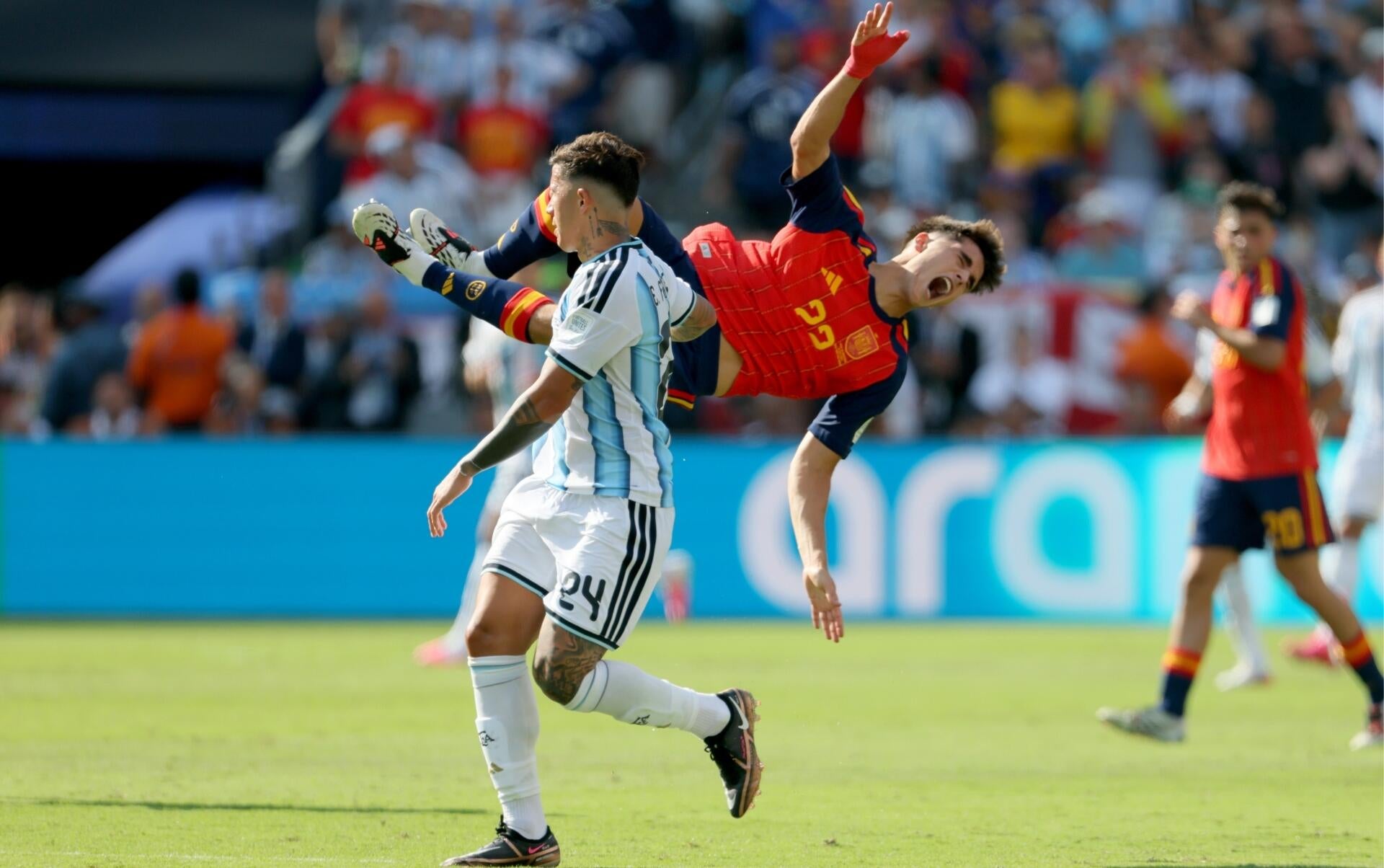
Argentina's path to the final was not without its controversies. Their aggressive style of play, often teetering on the edge of legality, drew criticism and garnered them an image of a team willing to do whatever it took to win. Heated exchanges with opponents, frequent remonstrations with officials, and a visible intensity on the pitch defined much of their tournament. While fans admired their passion, others found their conduct less than sporting. This perception, highlighted by CBS Sports NY, suggests that their relentless ambition, though admirable, may have alienated some neutrals.
Spain's Calculated Ascent to the Summit
In contrast, Spain’s journey was characterised by disciplined play, tactical nous, and a youthful exuberance that belied their relatively low expectations coming into the tournament. Their midfield controlled the tempo of most matches, stifling opponents and creating opportunities through precise passing and intelligent movement. The Spanish defence, often underestimated, proved to be an impenetrable wall when it mattered most. Their victory is a testament to coach Luis Enrique's strategic brilliance and the emergence of a new generation of Spanish talent, ready to carry the torch passed by their legendary predecessors.
The Aftermath and Future Implications
The final whistle brought contrasting emotions. For Spanish players and fans, it was euphoria – a reward for years of rebuilding and a return to the pinnacle of world football. For Argentina, the defeat was crushing. The World Cup, a trophy they have coveted for decades, slipped through their grasp once more. What this means for Messi's international future remains to be seen, but the narrative of a dynasty built through relentless pursuit, and ultimately falling short, will undoubtedly be a defining storyline of this tournament. The focus now shifts to four years' time, as new contenders and old rivals begin their respective campaigns for the 2026 World Cup, where football's greatest prize will once again be up for grabs, likely in a refreshed footballing landscape.