
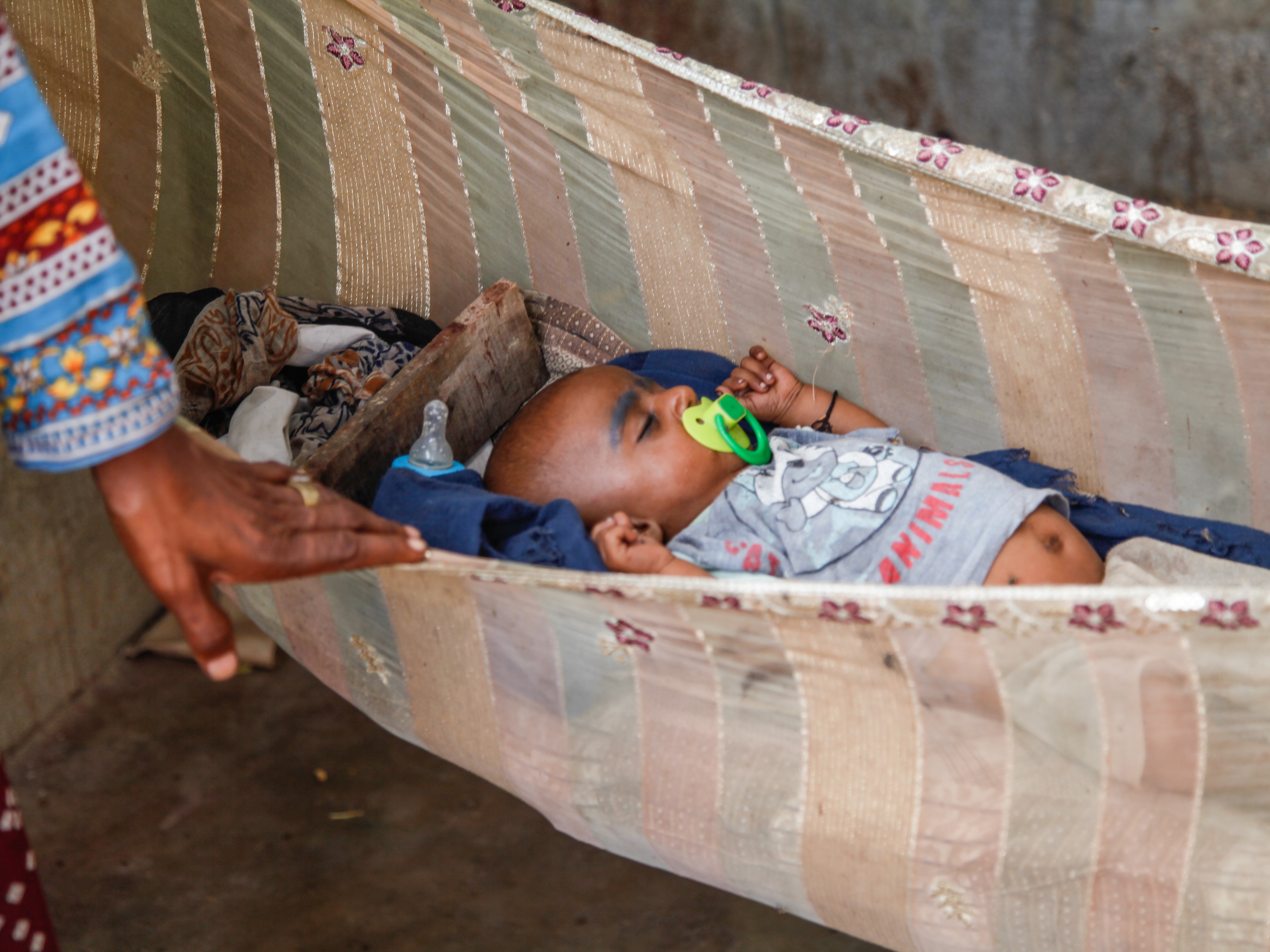
In the dusty, sun-baked alleys of Rehri Goth, a small fishing settlement on Pakistan's southern coast, a silent crisis is unfolding. For generations, this community has faced a harrowing reality: approximately one in four babies born here arrives prematurely, a rate that dwarfs global averages and leaves a trail of profound health challenges and heartache.
This alarming statistic has caught the attention of international health bodies and researchers, including those from Australia, who are now scrambling to understand why this particular village suffers such an exceptionally high rate of premature births. The answers, they believe, could offer crucial insights for vulnerable communities worldwide.
Unprecedented Rates of Prematurity
The global average for premature births hovers around 10 per cent, meaning one in ten babies is born before 37 weeks of gestation. In stark contrast, Rehri Goth's rate of 25 per cent is a deeply troubling anomaly. NPR World, which first highlighted the plight of Rehri Goth, detailed the devastating impact this has on families, with many infants struggling to survive their critical early weeks or facing lifelong health complications such as developmental delays, chronic lung disease, and vision problems.
Researchers are grappling with a complex web of potential contributing factors. Initial hypotheses range from environmental contaminants unique to the fishing community’s proximity to industrial areas, to nutritional deficiencies prevalent among the low-income population, and even genetic predispositions within the tightly-knit community. The lack of adequate healthcare infrastructure and access to antenatal care in such remote areas is also a significant concern, potentially delaying diagnosis and intervention for at-risk pregnancies.
The Search for Answers
Identifying the specific drivers behind Rehri Goth's prematurity crisis is a monumental task. Research teams, often comprising obstetricians, epidemiologists, environmental scientists, and public health specialists, are undertaking comprehensive studies. This involves everything from analysing water and soil samples for pollutants, assessing dietary habits and nutrient intake of pregnant women, to conducting detailed genetic screenings of families and evaluating local healthcare practices.
Funding for such extensive research is often sourced through international grants, with philanthropic organisations and national health bodies contributing millions of Australian dollars to similar projects globally. The hope is that through meticulous data collection and analysis, a clear picture will emerge, pinpointing the key risk factors that can then be addressed through targeted interventions.
Global Implications and Local Solutions
The findings from Rehri Goth could have far-reaching implications. If environmental toxins are identified as a major factor, it could inform policy changes regarding industrial waste management in coastal areas globally. Should nutritional deficiencies prove pivotal, it could spark new public health campaigns focused on maternal diet in low-resource settings. Conversely, if a genetic component is discovered, it might lead to new screening methods and counselling for at-risk couples.
Ultimately, the goal is to implement sustainable, community-led solutions. This might include establishing accessible maternal health clinics, introducing fortified food programmes for pregnant women, or implementing educational initiatives on prenatal care and hygiene. The challenge lies not only in identifying the problems but also in working collaboratively with the local community to develop and implement effective strategies that respect cultural norms and are feasible within their economic context.
A Broader Health Crisis
The struggle of Rehri Goth is a microcosm of a broader global health challenge. Premature birth remains the leading cause of death for children under five worldwide. While the reasons are often multifactorial and vary significantly between regions, understanding extreme cases like Rehri Goth offers invaluable lessons. Australian expertise in public health and medical research is playing a part in this global effort, contributing to a collective scientific endeavour that aims to give every child a healthier start to life, regardless of where they are born.
