
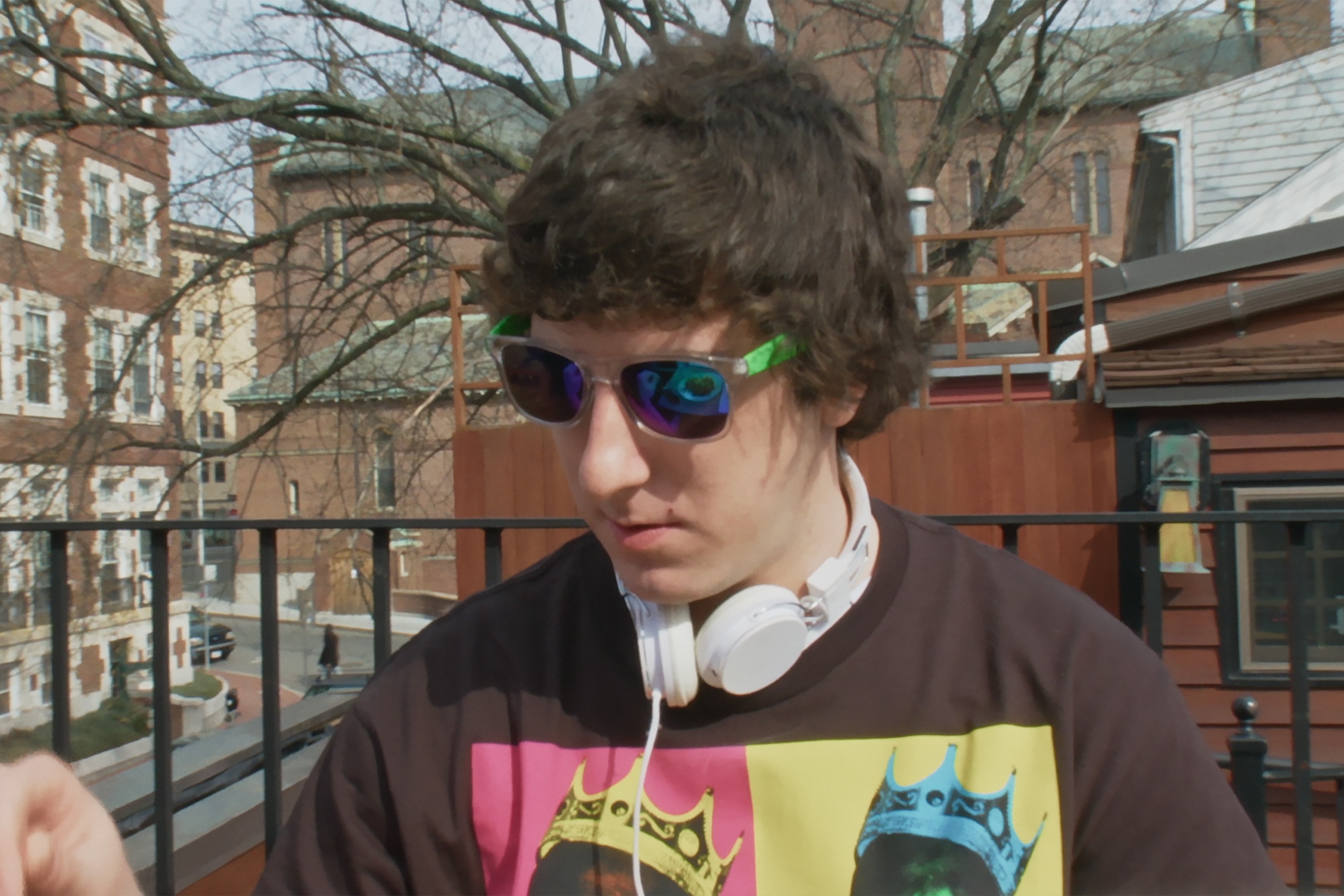
Sydney, Australia — For decades, American filmmaker Ross McElwee has turned his lens inward, crafting a distinctive body of work lauded for its intimate, often wry, self-reflection. But a recent tragedy has cast a long shadow over his artistic practice, prompting an agonizing re-evaluation of his life's pursuit.
McElwee, whose documentaries frequently weave his own life and family into their fabric, now confronts the most harrowing footage of all: memories of his late son. The weight of this personal devastation has led him to question the very essence of his craft, wondering if a career spent meticulously documenting reality still holds any worth in the aftermath of such profound loss, NPR Arts reported.
The Unflinching Eye of the Documentarian
McElwee's filmography is punctuated by self-referential narratives, from his acclaimed 1986 feature Sherman's March, which entwined a quest for love with a historical journey, to Bright Leaves and Photographic Memory. His signature style—a blend of observational footage, contemplative narration, and autobiographical elements—has earned him a unique place in documentary cinema. This approach fostered a deep connection with audiences, who became accustomed to seeing the world, and indeed McElwee's own life, through his distinct and often vulnerable perspective.
However, the ethos behind this deeply personal filmmaking has been irrevocably altered by his son's death. The comfortable distance between filmmaker and subject, even when the subject was himself, has dissolved, leaving raw grief in its place. The question now isn't merely what to film, but why to film at all.
When the Personal Becomes Painful
NPR Arts highlighted that McElwee's internal struggle resonates deeply within the artistic community, where creators often draw inspiration and material from their own experiences. The line between art and life, always blurred for McElwee, has now become a source of immense pain. His previous works, which once felt like sincere explorations of the human condition, might now feel like unintended prequels to an unbearable climax.
This introspection extends beyond the personal tragedy to touch upon the broader purpose of documentary filmmaking. Is the pursuit of capturing reality always beneficial? When does the act of recording become an unbearable burden? These are not new questions for the philosophical underpinnings of cinema, but they take on a searing urgency when considered through the prism of a parent's grief.
A Cinematic Reckoning
Sources close to the American film scene suggest that McElwee is not abandoning filmmaking entirely, but rather grappling with how to reconcile his past work—a life documented so thoroughly—with his present, shattered reality. One can only imagine the difficult task of reviewing old family footage now, images once cherished as mundane snippets of life transformed into poignant, unbearable records of what has been lost.
There is no easy answer for a filmmaker whose entire career has been predicated on the intimate intertwining of art and life. For McElwee, the ongoing challenge will be to redefine his artistic purpose, perhaps finding new ways to engage with the world through his camera, or perhaps discovering that the camera itself needs to be set down for a time.
His journey will be watched with keen interest by film enthusiasts and artists worldwide, as he navigates the profound intersection of personal tragedy and artistic integrity. The cost Australian audiences might pay to witness such an emotionally charged piece of cinema, perhaps in the ballpark of a $25-30 ticket if it were to screen here, would truly represent an investment in understanding the human spirit's capacity for both immense creation and devastating loss.


